Conversation Hearts tell story of a divisive candy

February 2022

Feature Article

Conversation Hearts tell story of a divisive candy

by Corbin Crable


Valentine’s Day candy

If you had to think of the most iconic Valentine’s Day candy, it’s likely that those chalky, pastel-colored conversation hearts would come to mind – and their history is richer than the contents of a Whitman’s Sampler.
And if you think the candies taste similar to NECCO Wafers, that’s because they were actually invented by NECCO in 1866. The makeup of the candy is simple – just corn syrup, sugar, gelatin, and coloring, baked into a dough and then flattened and cut into small heart shapes with cute sayings painted on.

A sweet cure for what ails you

The precursor to conversation hearts were lozenges sold in apothecaries across the country. They were administered for a variety of ailments – even bad breath. The American public enjoyed them because they were so sweet – the fact that they were sold as a cure-all almost seemed like a secondary benefit.

The booming lozenge industry benefitted from the Industrial Revolution in the 19th century, which saw steam-powered machinery able to mass-produce everyday items at a faster rate than workers ever could by hand. In 1847, one Massachusetts pharmacist, Oliver Chase, had the idea of inventing a machine that would produce the hard-to-make lozenges at a rapid pace. Oliver’s machine rolled out, flattened, and cut the dough into small disc shapes. Today, historians consider Oliver’s invention to be the very first candy-making machine.

 

Necco

Necco Wafers

NECCO, the company that made NECCO Wafers as well as Conversation Hearts, filed for bankruptcy in 2018. The company that bought NECCO, Spangler, eventually began making the candies, but only a portion of the candies contained the small messages to which buyers were accustomed. (Image courtesy of NPR)

Chase and his brother Silas set their focus on the confectionary industry, and their business, Chase & Co., merged with several other companies to form the New England Confectionary Company – or NECCO.

Now that the process of actually producing the lozenges had been made easier, the Chase brothers decided to market the small discs as candies instead of medicine, and they wanted the ability to print small sayings on them as well. Another Chase brother, Daniel, invented a machine that would make this goal a reality – his machine could press sayings onto the candies using a red dye.

Conversation Hearts

Conversation Hearts

Conversation Hearts were given their popular heart shape in 1902. (Photo by Laura Ockel on Unsplash )

My heart belongs to you

Next came the idea of a different shape. The earliest lozenges resembled the marshmallows you might later find in Lucky Charms cereal – horseshoes, clovers, and the like. But with the rise of popularity in the Valentine’s Day holiday in the early 20th century, the Chase brothers decided that the candy should be marketed for the special holiday. In 1902, the candy began to be produced only in the shape of a heart.

The candies, which became known as “conversation hearts,” proved to be an immediate hit. Early sayings that were pressed onto the candies included, “Please be considerate” and “Marry Me.” Larger versions of the candy hearts even bore the lengthier message, “Please send a lock of your hair by return mail” (during the Victorian era, hair relics were a popular declaration of love as well as a memento of a deceased loved one, kept by bereaved family members).

Though the taste and texture have remained largely the same over the years, the candy’s messages have kept up with the times. Since the 1990s, around 60 messages have found their way onto the candies, including “LOL” and other such acronyms synonymous with the Digital Age. Other, older sayings that have become dated are removed from the list regularly.


Falling out of favor

The contemporary popularity of the candy, however, has proven to be divisive, with just as many critics as fans these days.

“Why do we need chalky, dusty, and tasteless candy for a day about love?” blogger Sarah Perchikoff wrote in 2020. “Surely, there are better ways to say ‘Love You’ or ‘Be Mine’ than on a gross, heart-shaped candy. We can do better, right?”

Although NECCO went bankrupt in 2018, the company that bought NECCO, Spangler, has taken up the mantle of producing and selling the tiny candies – and business, it would seem, is on the decline.

It took Spangler a little more than a year to get its footing as far as production of the conversation hearts goes – the company didn’t produce or sell them at all in 2019, but competitor Brach’s did. Even after the 2019 shortage, consumers found that Spangler’s version of the candy not only looked different from its original counterpart – the candies looked different, too, with only a small percentage bearing pressed-on messages (the machine that pressed the messages onto the candies required repair, which wasn’t exactly high on the company’s budgetary priorities). After years of the industry churning out an average of 19 million pounds of the candies each year, sales of conversation hearts were down industrywide by about 24% in 2021.

Before the company folded, even NECCO itself seemed to admit that the candy’s best days were behind it, and that it now was bought due in large part to nostalgia. “Our main market is in classrooms – kids, teachers, and moms,” the company’s marketing director admitted in a 2011 interview.

“Be Mine”? For candy conversation hearts these days, fewer consumers are responding to that plea in the affirmative.

Source: The Huffington Post
Contact Corbin Crable at editor@discovervintage.com​

Power up: Video game consoles remain beloved collectibles for Generation X

JANUARY 2022

Feature ARTIcle

Power up: Video game consoles remain beloved collectibles for Generation X

by Corbin Crable


Though the technology had been around since the 1950s, the ‘Me’ Decade of the 1970s finally saw video game consoles introduced to American households, and Generation X – those born between 1965 and 1980 – had found an addictive new pastime, much to their parents’ chagrin.

The precursors to video games were created in the 1950s by British inventors – the very first game, called OXO, was simply a game of tic-tac-toe, played on an analog computer and oscilloscope screen. Professor A.S. Douglas created the game for his doctoral dissertation at the University of Cambridge.

In the early 1960s, the evolution of video games moved to space as the Cold War’s space race between the U.S. and Russia heated up. Again, an academic made the next great contribution to the relatively new invention – a professor at MIT developed Spacewar, a space-combat game developed for the PDP (Programmed-Data-Processor), a computer used mostly at colleges.

It would be nearly several years later that the smaller, multi-player game consoles that we recognize today hit stores. Technology developer Ralph Baer of Sanders Associates licensed his own version, referred to simply as “the Brown Box” and later as “The Odyssey,” to Magnavox in 1967. Baer is often referred to as “the Father of Video Games,” according to History.com.

The first electronic game company name you’re likely to recognize – Atari – took its inspiration for its classic game Pong (which hit store shelves in 1975) from one of Magnavox’s original 28 games. The electronics giant took Atari to court for copyright infringement. Atari eventually settled out of court, while Magnavox would go on to file many more similar lawsuits over the course of the next two decades.

None of this mattered to video game enthusiasts of the 1970s, however, as Pong became a pop culture icon and the Atari brand enjoyed a great deal of growth throughout the mid- and late 1970s. For older members of Generation X, the Atari consoles would mark their first foray into the escapist world of video games.

“I was born at the perfect time to grow up as games grew up,” writes blogger Carolyn Petit of Game Spot, “and (Atari) is where my love of gaming began.”

At the same time, the industry in general marked many milestones in the invention and release of games and products recognizable even to younger players today. Those include the release of Space Invaders, Donkey Kong (released by Nintendo), and the U.S. release of the popular Japanese game Pac-Man.

The oversaturation of video games led to a major North American market crash in the early; 1980s, leading to several video game companies filing for bankruptcy. The crash lasted only until 1985, when Japan’s Nintendo Entertain-ment System (NES) came to the U.S., offering improved sound, colors and graphics.

The original NES console was an immediate hit and remains so, Petit writes.

“Even those who aren’t old enough to remember these games from their heyday understand what Nintendo is, since it’s a force that has continued to loom large in gaming in the decades since,” she writes.


Nintendo Entertainment system

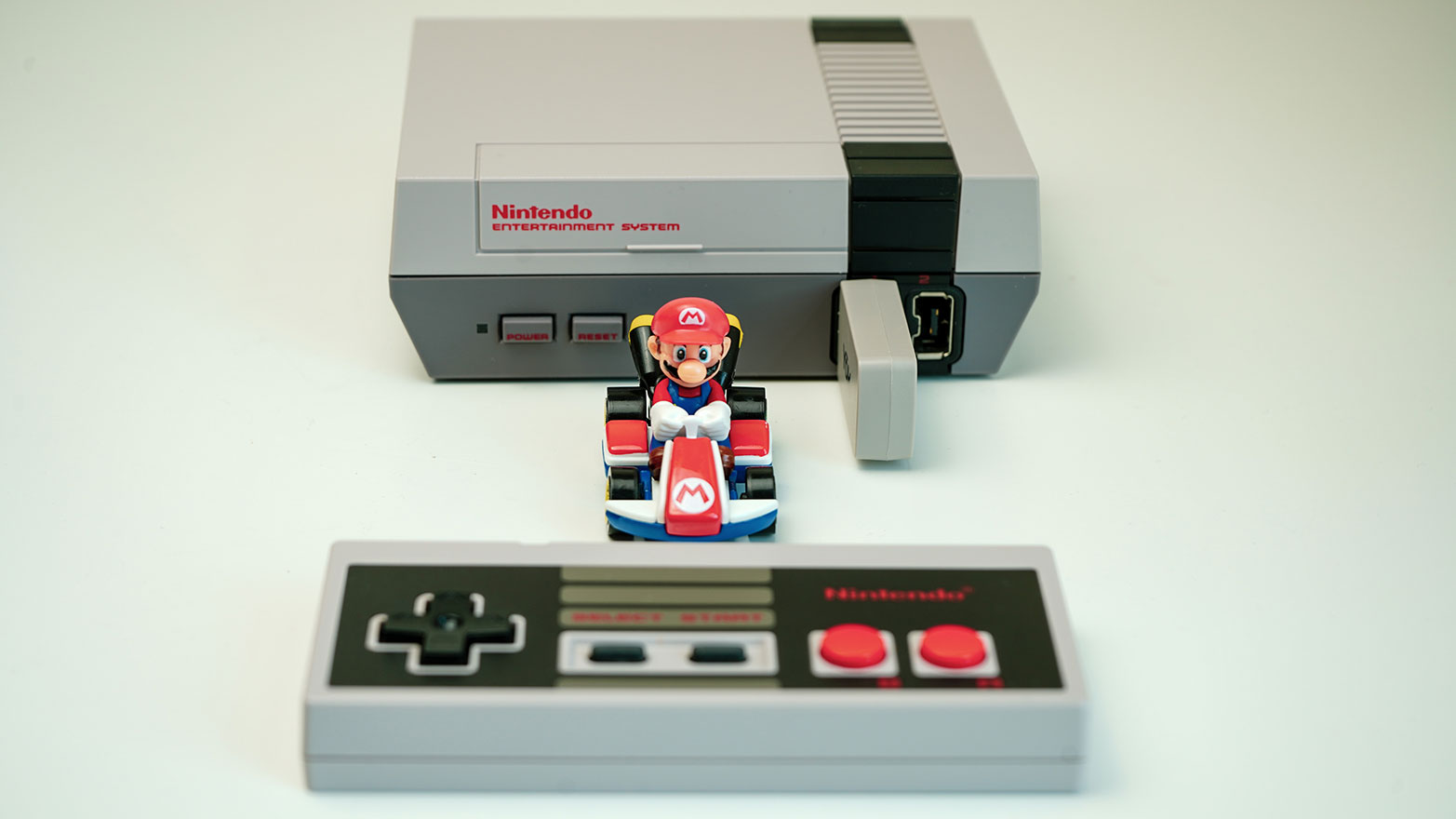
The game Super Mario Bros. became synonymous with the original Nintendo Entertainment System in the 1980s. (Image courtesy of Legends of Localization)


Nintendo’s continued power to create feelings of longing and nostalgia in Generation Xers remains strong to this day, she adds.

“Talk to people about games like Super Mario Bros., The Legend of Zelda, and Metroid, and they still light up with excitement, appreciating the tremendous importance of these games in the grand scheme of gaming’s evolution as a medium,” Petit says.

Nintendo followed its original console up with the first hand-held console, the Game Boy, in 1989.

The decade of the ‘80s ended as a “console war” between Nintendo and newcomer Sega, which released the Genesis in 1989n as a response to Nintendo’s NES. Nintendo responded in 1991 by releasing its Super Nintendo NES, and with it, improved graphics, sound and richer games. In general.

Concerns over the ever-increasing violence in video games reached a fevered pitch in the 1990s, with an eventual organization called the Entertainment Software Rating Board being convened to rate the violence and adult situations in video games so parents could make a better-educated decision when purchasing games for their children. Even those in the political realm joined in the fight against video-game violence, with Second Lady Tipper Gore, wife of Bill Clinton’s Vice President Al Gore, leading the very public charge for a rating system.

As the new century approached, games on CD instead of cartridge were released, and video game consumers demanded better bang for their buck, Sega raced to best entertainment giant Sony as it sought to break out into the market.

Giant strides in computer technology made these more aggressive moves. Eventually, Sony’s Playstation would win the format war, with a price tag of $100 less than Sega’s Saturn console, which was released that same year. In response, Nintendo released its 64-bit system, Nintendo 64.

Fast forward to today, and the Playstation and its many iterations remain the gold standard in the video game industry. However, those who were there in gaming’s early days know that for them, there is no time like the past.
“Playing retro games,” Chris Schranck, a 33-year-old gamer who grew up playing Super Mario Bros. in Missouri, tells Wired, “you’re happy to be feeling like a kid again. As an adult, you have all these responsibilities and anxieties, and if you can just find a way to forget about that, even just for 15 minutes, it can help. I think if you can find something, anything, that can help you feel good, that’s a good thing. Retro games evoke these happy memories. Being a kid, opening up that new game or console on Christmas. How it looks, the beautiful pixel art. It’s the nostalgia, and remembering being young again.”


Handmade and from the Heart

December 2021

Feature Article

Handmade and from the Heart

by Corbin Crable


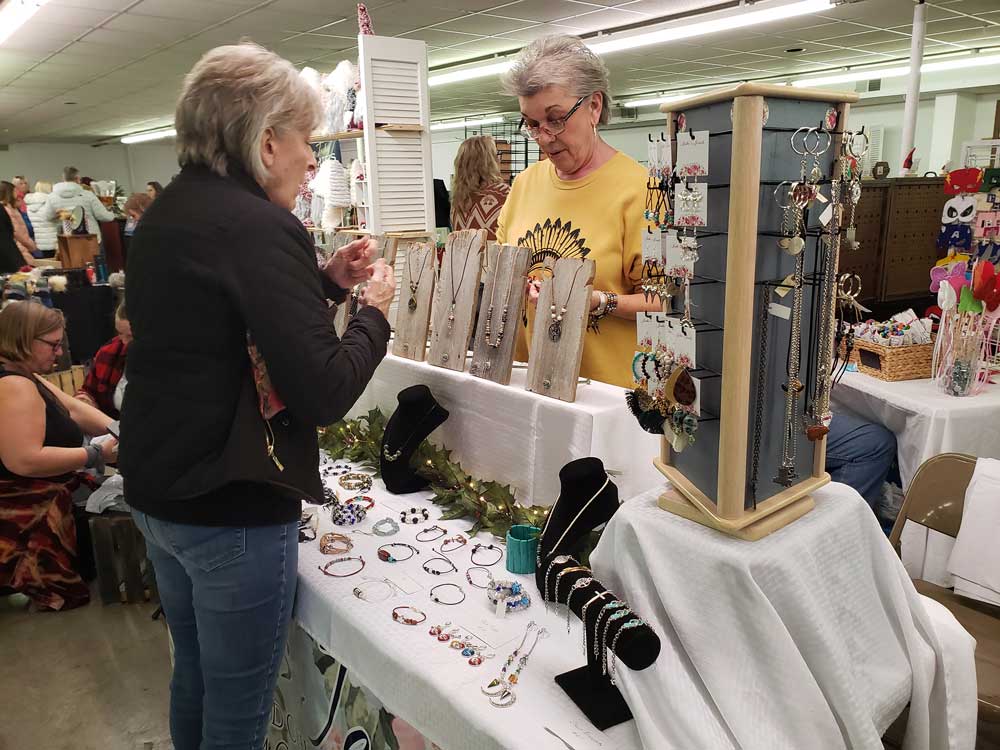
Main Street in Greenwood, MO, is bustling today, a cold Saturday morning in mid-November, with the chatter of antique shoppers slicing through the chilly air as they head into the Greenwood Mercantile, one of several antique stores open during the town’s annual Holiday Handmade Market.

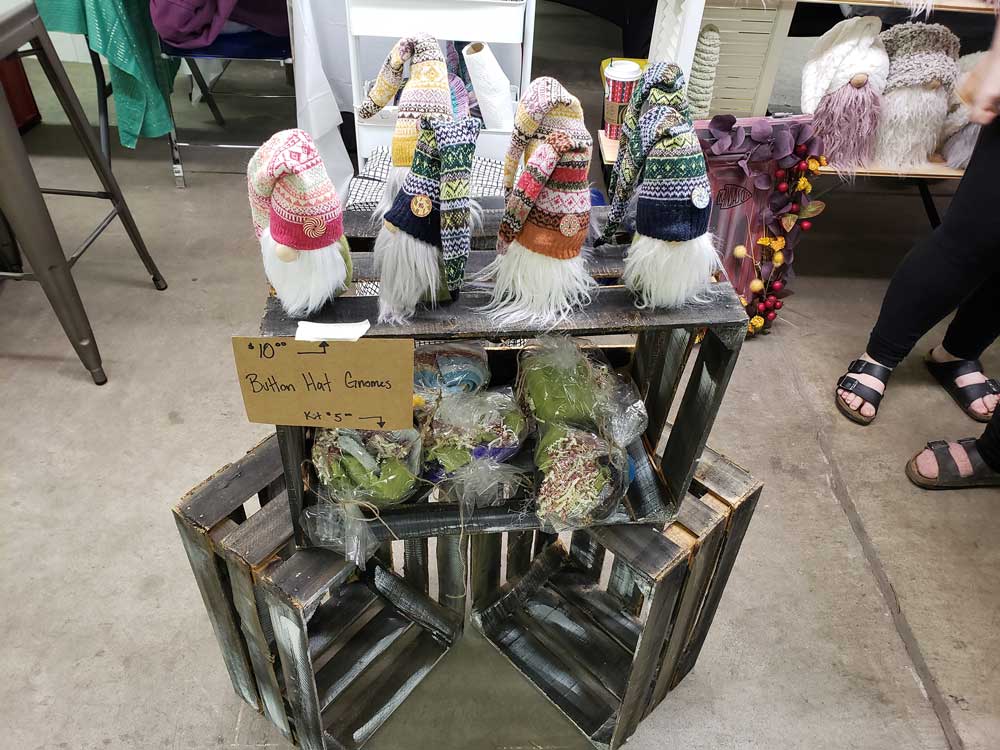
Fabric Gnome Dolls

A vendor called Gnome Crossing sold pre-made fabric gnome dolls. If you wanted to add a personal touch to your festive holiday decor, Gnome Crossing also sells kits that allow the buyer to make a gnome themselves, adding a much more personal touch to the finished product.

Locals and visitors alike came out for the annual event along which coincided with the Holiday Open House in the historic Antique District. Hundreds of shoppers found unique holiday gifts that didn’t break the bank and that their loved ones will treasure. Vendors selling everything from handmade jewelry, bath and beauty products, clothing and accessories, candles, jams, jellies, and salsas set up shop to greet shoppers, while outside, visitors browsed the multiple antique and vintage stores in search of the perfect gift to give an older, used item a brand-new life.

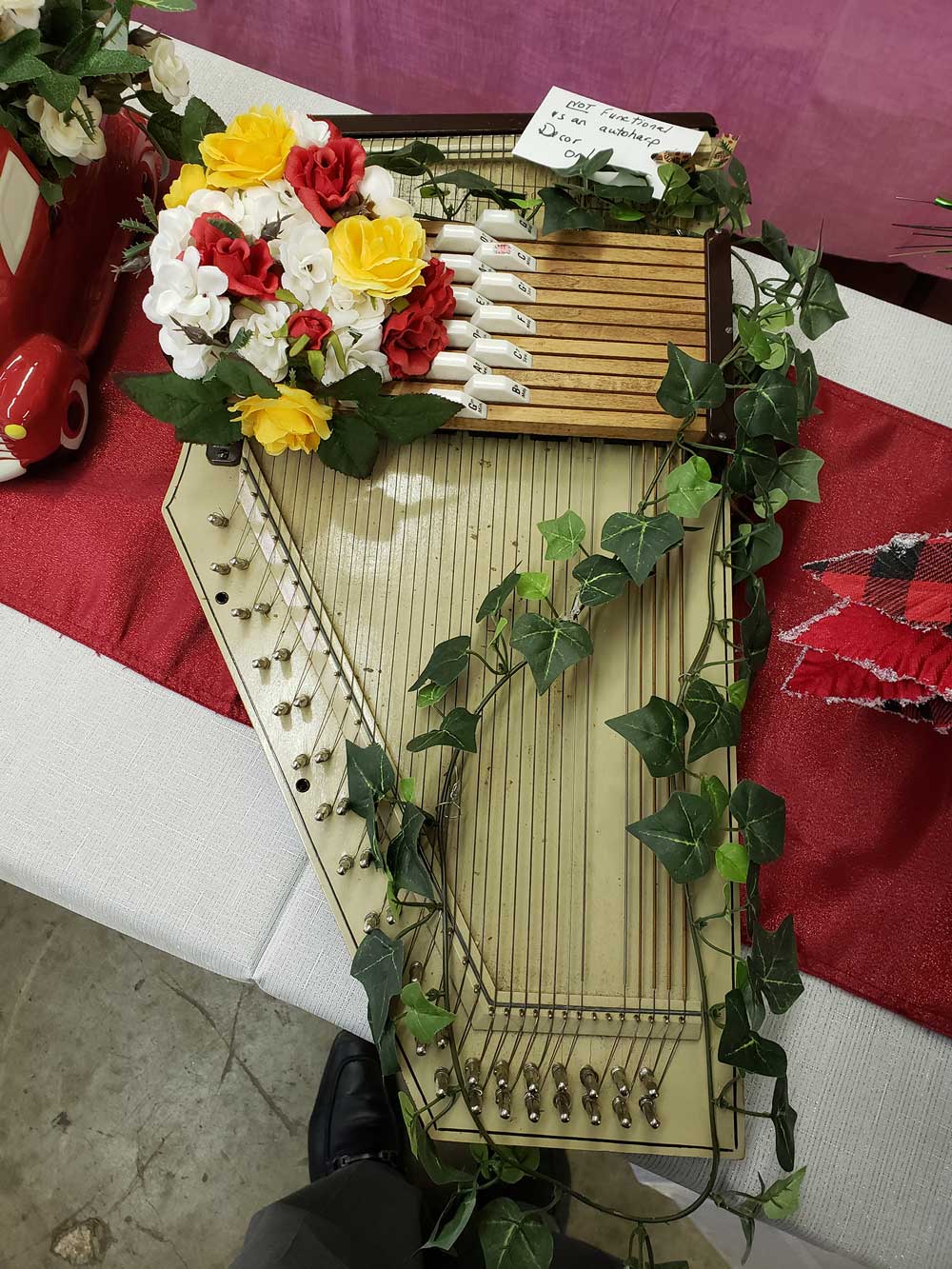
Decorated Autoharp

Vendors at the Holiday Handmade Market took great care to decorate their spaces with quirky, creative designs, such as this autoharp, found at an accessories table. Though it wasn’t for sale, many shoppers had passed by, asking for its price, the owner says.

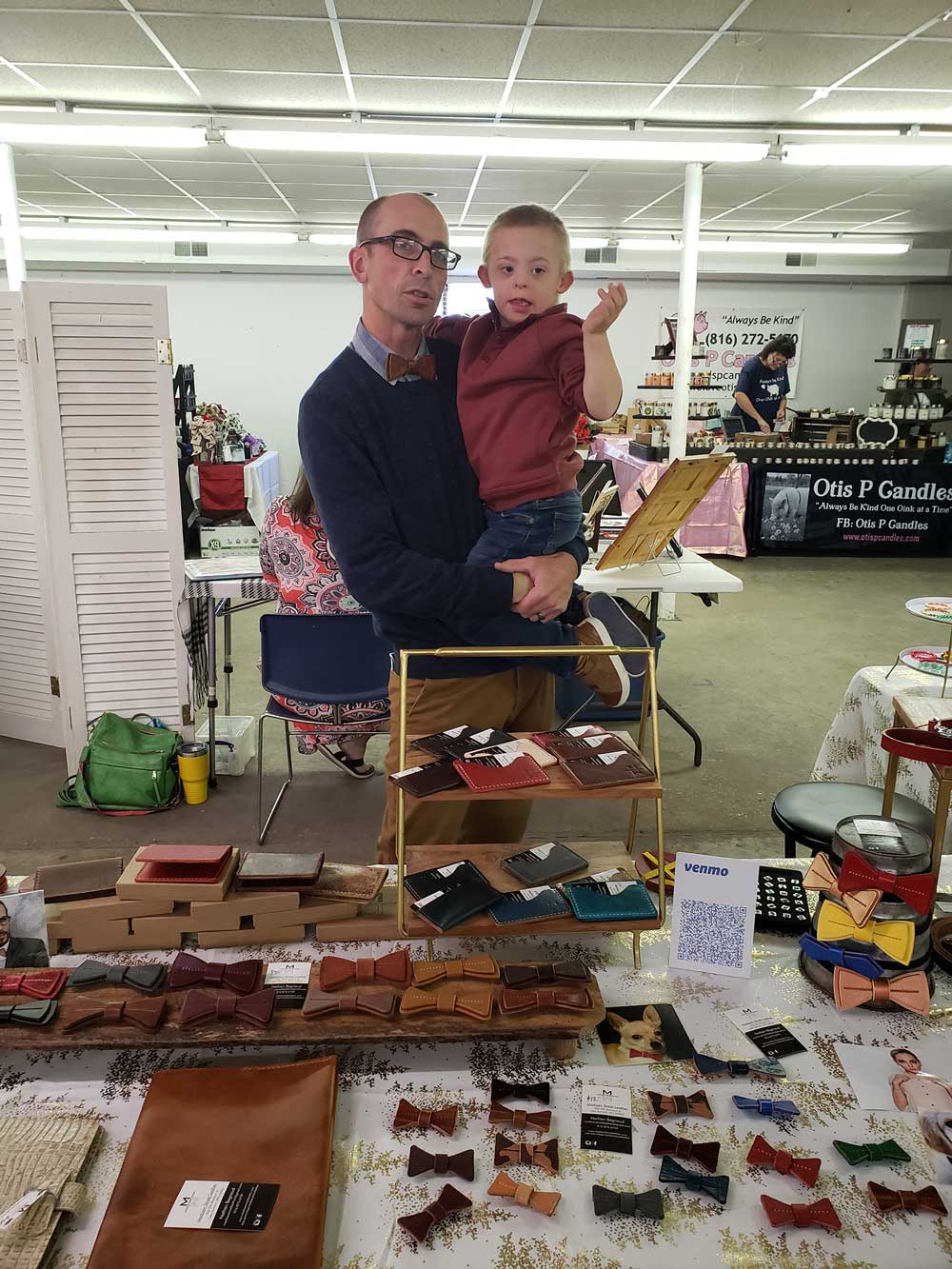
Brad and Max

A big hit at the Holiday Hand-made Market was Nathan Begnaud and his family, representing Madison Street Leather. Begnaud, of Lee’s Summit, MO, said he began crafting leather goods such as belts, tote bags, wallets, card holders and dog bow ties in order to help pay for open-heart surgery for his son, Max, 6.

Dog Bow Ties

Participating merchants in this year’s Holiday Open House and Handmade Market included the Greenwood Vintage Market, the Greenwood Mercantile, As Time Goes By, Big Creek Antiques, and The Porch Swing.


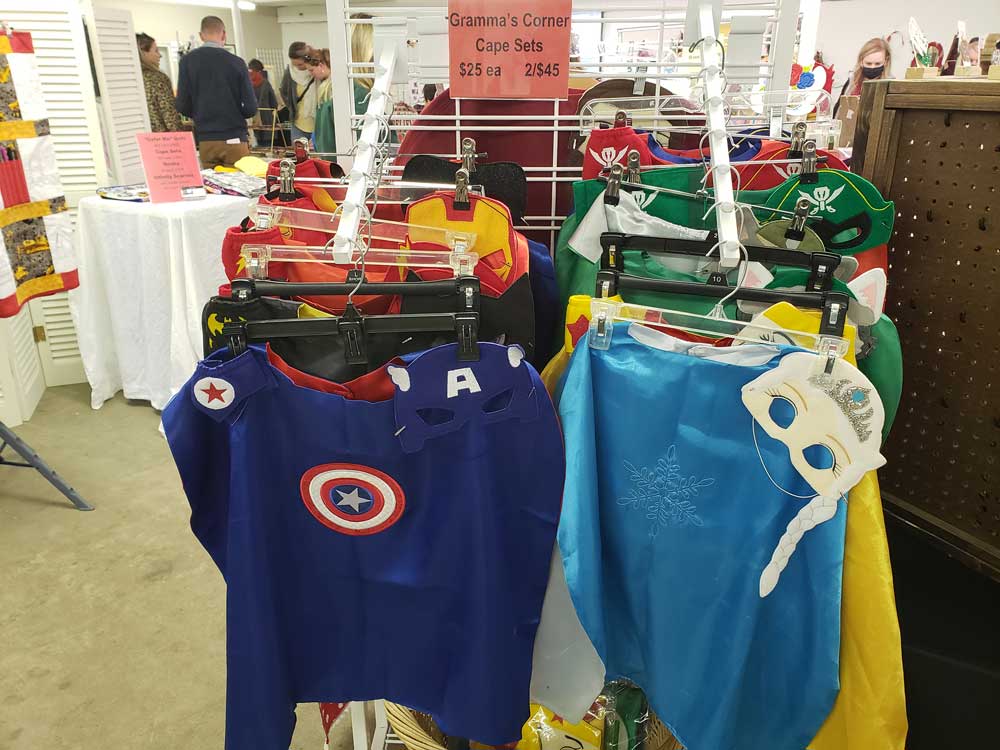
rack of costumes

You don’t have to spend a lot of money for your child to enjoy the look of his or her favorite characters, such as Captain America or Elsa from Disney’s “Frozen.” The costumes were among dozens from Oak Leaf Creations.

The event serves as a reminder to those searching for holiday gifts that Christmas does not need to be expensive, and giving a thoughtful gift that took time, creativity and dedication to craft will always be a much-appreciated and thoughtful gesture.

Local merchants with customer

The Holiday Handmade Market gave local merchants an opportunity to meet and greet locals and visitors in search of a thoughtful, creative Christmas gift for a loved one.

Contact Corbin Crable at editor@discovervintage.com​

Let’s make a deal: Haggling part of antique culture

Let’s make a deal: Haggling part of antique culture

September 2021

Everything
Old

Let’s make a deal: Haggling part of antique culture

by Corbin Crable

You know the feeling – while browsing in your favorite antique store, you stumble across a vintage treasure you absolutely must have. You glance at the price tag – “I don’t want it that badly,” you tell yourself as you see a number that’s just a tad out of your budget. Picking it up, you silently wonder if the seller would take offers on the item.

Well, don’t just stand there – take your treasure to the cash register and ask!
It’s a lesson many of us have learned the hard way. By nature, I’m a passive person – someone who doesn’t like making waves where sales are concerned.
And then, eight years ago, I traveled to India.

On the subcontinent, as it is in many other places across the globe, haggling is a way of life. It’s an art that at first seemed intimidating but, after much practice, became second nature. I would approach a shopkeeper and inquire about the price of a small Taj Mahal statuette. The shopkeeper would name his price, and I’d wince, lightly shake my head, and respond, “That’s. a bit too much.” I’d continue browsing his wares and find a piece of jewelry. Holding it up to admire it, the shopkeeper would pounce, blurting out the price.
“I’ll take the statuette for your original price if you include this bracelet,” I’d learned to quickly respond.

Begrudgingly, the shopkeeper would agree. That’s all. Simple as that.
Here in the states, of course, you’ll be laughed out of any big-box department store if you attempted to execute such a tactic. But it’s worth keeping in mind that when it comes to flea markets, antique stores, and the like, a lower offer might be the only thing keeping you from the special piece you found that you simply cannot live without.

Who knows? Many stores have those items that have been collecting dust for years. To you, however, it’s the find of a lifetime. I’m sure the seller has just been waiting for a shopper like you to come along and snatch up the piece and would be more than happy to accept your offer.


Be aware, however, that sellers have done their proverbial homework on the items they sell, and as a buyer, you should do your own research, too. Just as a seller would know how much their items are worth, so too should you have an educated guess as to how much you might be able to request and still be taken seriously (this is, of course, where arming yourself with price guides will benefit you greatly). Don’t lowball the seller – give him or her an offer that is fair, something you would consider to be a good starting point.

To veteran shoppers, this is all just basic knowledge you learn in Antiquing 101. But often, it’s sound advice to advocate for a deal you believe will strike the ideal balance between fair to the seller and getting a good bargain for yourself. Consider this your annual reminder, then.
Happy haggling!

SEPTEMBER 2021 – The Life of an Outlaw – Site tells story, dispels myths surrounding Jesse James

SEPTEMBER 2021 – The Life of an Outlaw – Site tells story, dispels myths surrounding Jesse James

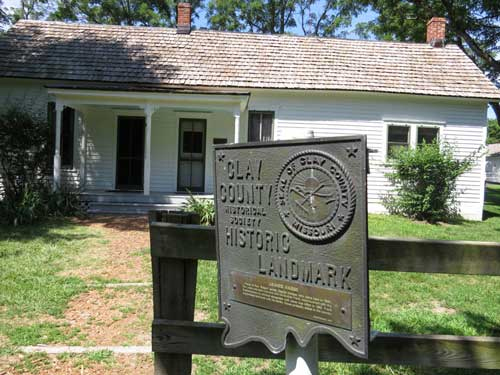
Built in the late 1820s, the three-room log cabin where American outlaw Jesse James was born was owned by the family from 1845 until the late 1970s, when it was sold to Clay County, MO. (photo courtesy of Elizabeth Gilliam Beckett)

Historic Site in Missouri

 One historic site in Missouri stands as a testament to the lawlessness of the American frontier of the 19th century, with thousands of visitors from all over the world visiting it each year to learn about the life of the great outlaw Jesse James.

According to Elizabeth Gilliam Beckett, historic sites manager for Clay County, MO, which includes the Jesse James Farm and Museum in Kearney, an estimated 10,000 to 12,000 make the trip to the site every year. There, she says, they learn to separate the myth of Jesse James from the facts about his infamous deeds.

 “The biggest misconception about Jesse James is that he was a ‘Robin Hood,’” Beckett says of the legendary character who stole from the rich and gave to the poor.


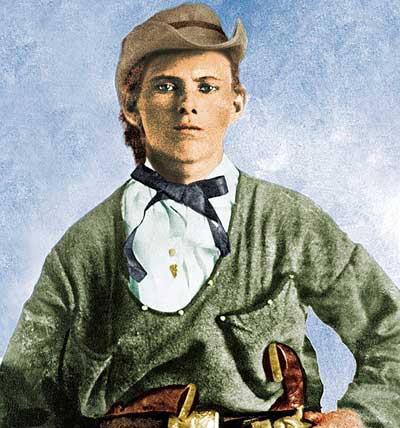
The young Jesse James, shown here in a colorized photo at age 14, adopted his family’s staunch pro-Confederate and pro-slavery views. (image courtesy of PBS.org)

The young Jesse James, shown here in a colorized photo at age 14, adopted his family’s staunch pro-Confederate and pro-slavery views. (image courtesy of PBS.org)

Forged by hate and bloodshed

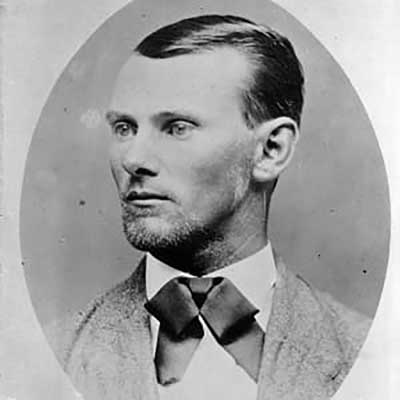
The real Jesse James was much more complicated and much less worthy of adoration. Born Jesse Woodson James on Sept. 5, 1847, near Kearney, he grew up in the “Little Dixie” area of Missouri, a wide swath of 13 counties heavily populated by Southerners who emigrated there, bringing their cultural and political practices – including slavery. Little Dixie includes the region between the Mississippi River north of St. Louis to Missouri counties in the central part of the state.

As the Civil War brewed, the teenaged James grew up in a household with decidedly pro-Confederate views. He and his brother, Frank, even joined pro-Confederate guerillas, pledging their allegiance to William Quantrill and “Bloody Bill” Anderson, two guerilla leaders who traversed Missouri and Kansas in a violent hunt for escaped slaves. The James brothers, especially Jesse, terrorized the guerillas’ enemies.

“He helped to tear apart his community without reflection or self-doubt,” historian T.J. Stiles wrote in his biography, “Jesse James: Last Rebel of the Civil War,” published in 2002. “Seized by his hatred and ideological convictions, he could not see himself for what he was. Instead, he reveled in the powers his murders earned him.”

After the nation’s bloodiest war had come to an end, having already acquired a taste for looting during the 1864 Centralia Massacre, in which Confederate forces captured and executed two dozen Union soldiers in Centralia, MO, Jesse and Frank James joined the ranks of other former Confederate guerillas in living the lives of outlaws. The men robbed trains, banks, and stagecoaches throughout the Midwest, becoming household names nearly overnight, amassing other disillusioned men to join their gang for the decade following the war.

‘A common thug’

Still, Stiles writes, the media of James’ day – and James himself — portrayed him as a modern-day Robin Hood, despite the fact that no evidence existed of James sharing the money he stole with those less fortunate.

“Jesse James was not an inarticulate avenger for the poor,” Styles writes in his biography of James. “His popularity was driven by politics – politics based on wartime allegiances – and was rooted among former Confederates. … He promoted himself as a Robin Hood; his enemies derided him as a common thug.”

Jesse James was finally done in by a member of his own gang – Robert Ford, a new recruit whose act of murder was fueled by the promise of a bounty on James and by the promise of amnesty for the crimes he had committed. Ford shot James in the back of the head on April 3, 1882. Though he wasn’t paid the entire $10,000 bounty, Ford was granted a full pardon by Missouri’s governor and lived out the rest of his days posing for photos in dime museums as “the man who killed Jesse James.” He also re-enacted James’ murder in a touring stage show. Ford took his own life on May 4, 1884.

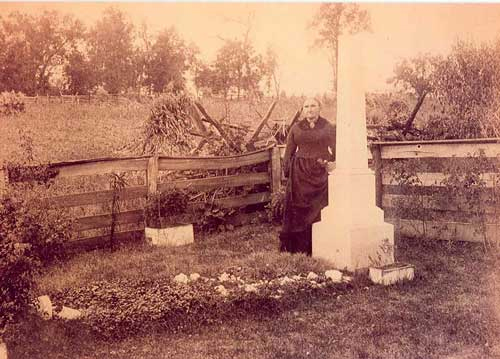
Zerelda James, Jesse’s mother, stands at his gravesite in 1882. During an 1875 raid on her house by the Pinkertons, who were looking for Jesse, authorities tossed an explosive device into the house that detonated and mangled Zerelda’s arm so badly that it had to be amputated below the elbow. After Jesse’s death, Zerelda gave tours of the cabin in which Jesse was born, and for just 25 cents, visitors could take home a souvenir pebble from Jesse’s headstone. (Image courtesy of PBS.org)

Kearney’s Jesse James Festival has taken place every September for 50 years. (photo courtesy of KCParent.com)

In Kearney and nearby St. Joseph, MO, where the house in which James was killed still stands as another historic site of interest, signs of Jesse James’ influence are everywhere – the Jesse James Antique Mall and Furniture Gallery, right off Interstate 29 in St. Joseph, has drawn bargain hunters for decades. And in Kearney, the annual Jesse James Festival – a family-friendly event – has brought crowds to town for 50 years.

“The reality is that Kearney hosts a festival that brings a large collection of people from all walks of life together,” according to the festival’s website. “They gather, not to pay tribute to an outlaw, but to be reminded of an historical era which had a great impact on our country.”

Passing on into infamy

Jesse James, of course, lived on in the decades afterward, not only in word-of-mouth stories of his robberies and other infamous deeds, but in numerous media forms, including music, literature, and Western films.

“In the end, (James) emerges as neither epic hero nor petty bully, but something far more complex,” historian T.J. Stiles writes. “In the life of Jesse James, we see a place where politics meets the gun.”

Obviously, Clay County’s Beckett notes, the festival helps offer a boost in the number of visitors each year.

“The Jesse James Festival is hosted by the city of Kearney, and the museum benefits from many visitors during that weekend,” she says.

The 2021 Jesse James Festival will take place Sept. 10-11 and Sept. 16-19 at Jesse James Park in Kearney.

Life on the family farm

Still, the museum is a must-visit site when it comes to learning not just about Jesse James the man and legend, but also the tumultuous times in which he lived. The members of the James family were not the first to live on the farm – that distinction, according to historian Phil Stewart, goes to a pair of twin brothers, Jacob and David Groomer, who purchased a tract of land near Kearney in 1822 and built a farm upon it. The brothers built a three-room log cabin on the farm, too, and various members of the Groomer family lived in it for the next 20 years.

A young Baptist preacher, Robert James, and his wife moved to town and bought “the old Groomer place” in October 1845 for $1,640. Most of his children, Jesse included, were born in the log cabin.

Stewart continues, “It was here that Jesse James swore vengeance against the Union, and it was here that he carried on his personal war against society. Robberies were planned here. Posses and detectives lurked in the trees north of the house. And it was here that history was made. The old house has seen more than its share of tragedy and sorrow.”

The government of Clay County, MO, has owned and operated the James farm since 1978. Photo courtesy of TheWalkingTourists.com

“No place on God’s green earth has closer ties to Jesse James than does the James Farm and the house that is still its centerpiece,” Stewart wrote in an historical article about the farm. “He was born here, and it remained a safe haven and place of comfort throughout his life. His body would be brought here after his death in 1882, and it was here that he was laid to rest in the corner of the yard where he had played as a boy.”

Jesse James’ body was originally buried on the family farm but later moved to the Mount Olivet Cemetery in Kearney. The original footstone remains on the farm. (photo courtesy of Elizabeth Gilliam Beckett)

Ownership of the farm changed hands between descendants of Jesse James for the next century, until 1978, when the Clay County government bought it from the James grandchildren and immediately began restoration work. The farm opened to the public the following year, when its board of directors founded the “Friends of the James Farm,” an organization of supporters designed to fund the continued maintenance and upkeep of the site through regular donations.

“The old place looks pretty much as it did more than 100 years ago,” historian Phil Stewart says of the property. “…The visitor can easily lose themselves in the history of the time and place.”

For her part, Beckett says the historic site doesn’t exist to glorify Jesse James, but to educate visitors about his life and the era that shaped his world view.

“The museum tells the story of a time period in history,” she says, “and the visitor can decide how they see him.”