Happy birthday to Jesse James Antique Mall

Happy birthday to Jesse James Antique Mall

October 2023 … 

Happy birthday to Jesse James Antique Mall

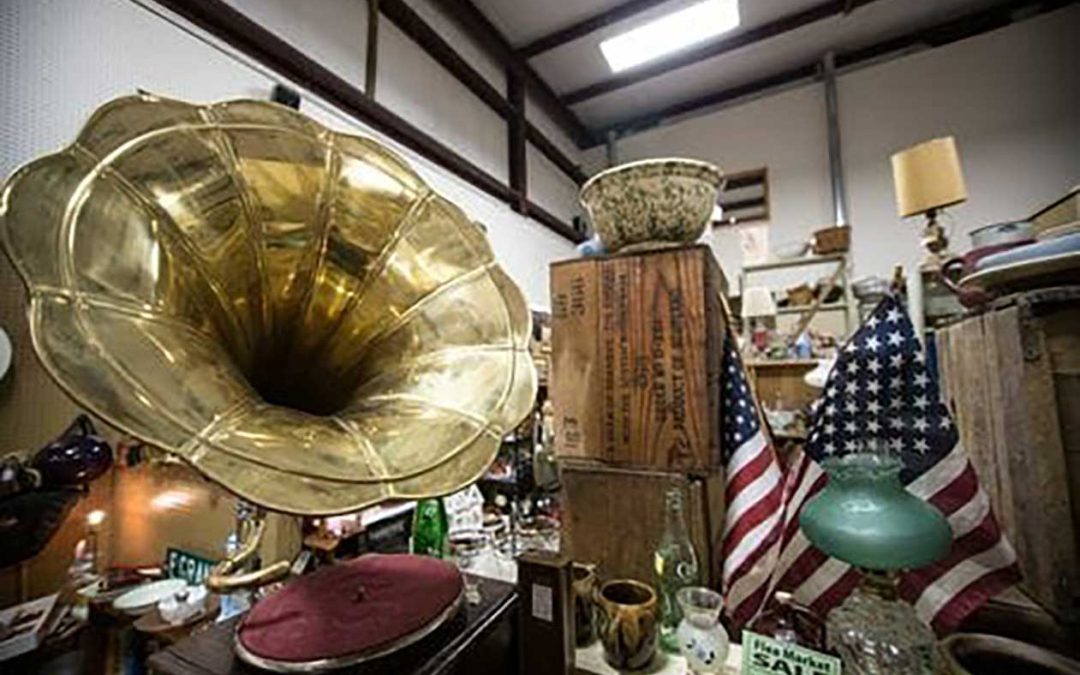
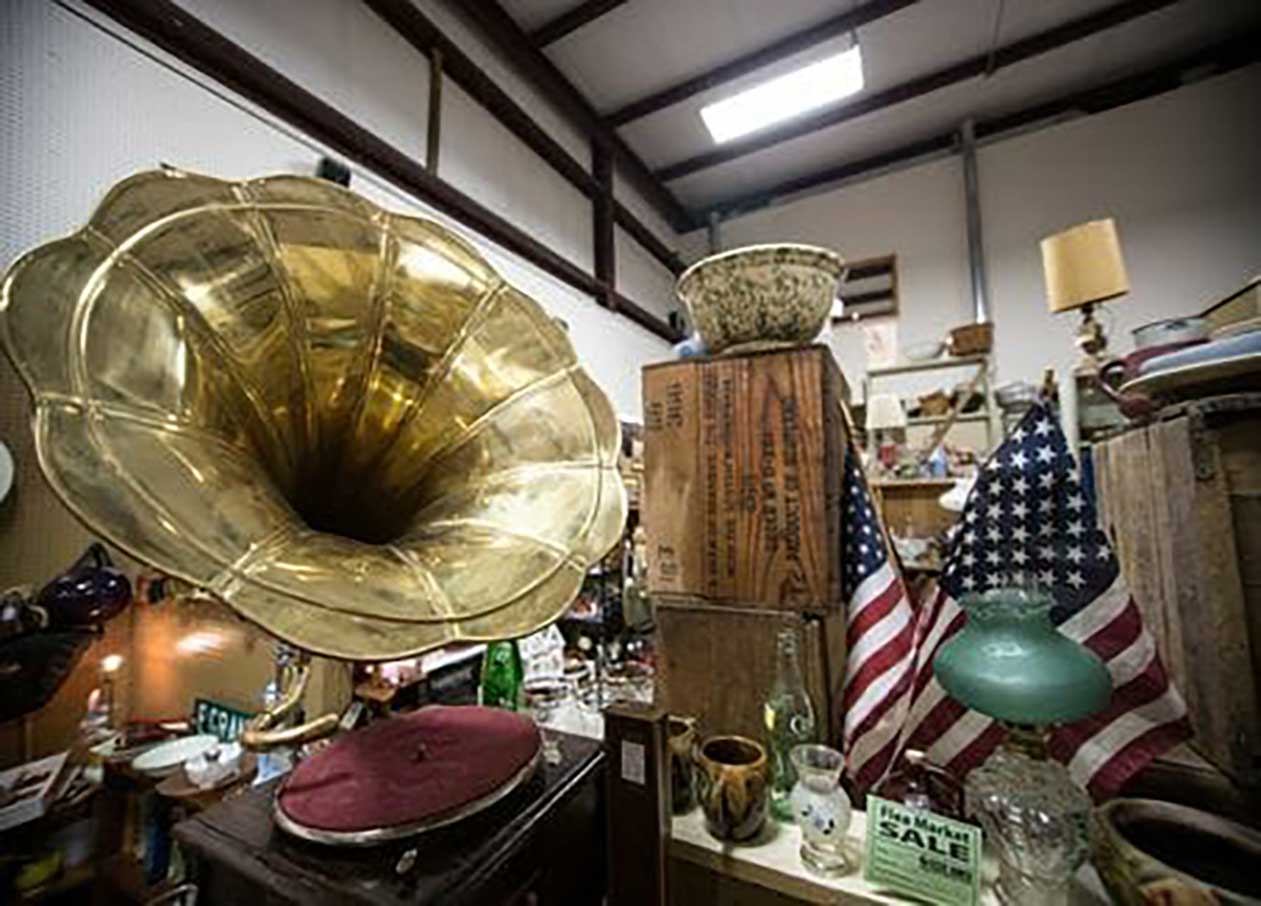
Celebrating 26 years in business this year, the Jesse James Antique Mall and Furniture Gallery in St. Joseph will shower its loyal customers and newcomers alike with great deals on antiques, vintage items, and collectibles.

On Saturday, Oct. 7 and Sunday, Oct. 8, visit the store for its anniversary sale and get 25 percent off participating mall dealers. In addition, come back Oct. 20-22 for Jesse James and The Rusty Chandelier’s “Let’s Make a Deal!” sale and save up to 30 percent throughout the stores.

For more information, call 816-232-0099 and 816-676-0662. You also can visit both stores online at www.jessejamesantiquemall.com and www.rustychandelier.com.


Whatever you’re looking for, you’ll find it at Jesse James Antique Mall and The Rusty Chandelier in St. Joseph. Jesse James celebrates its 26th birthday this month with big sales Oct. 7-8. (Image courtesy of St. Joseph, MO, Convention and Visitors Bureau)

Annual fundraiser encourages donations to the Clay County Historical Society

Annual fundraiser encourages donations to the Clay County Historical Society

October 2023 … 

Annual fundraiser encourages donations to the Clay County Historical Society

‘Tis the season of giving, and there are few more deserving than local nonprofit historical organizations such as the Clay County Historical Society and Museum in Liberty.

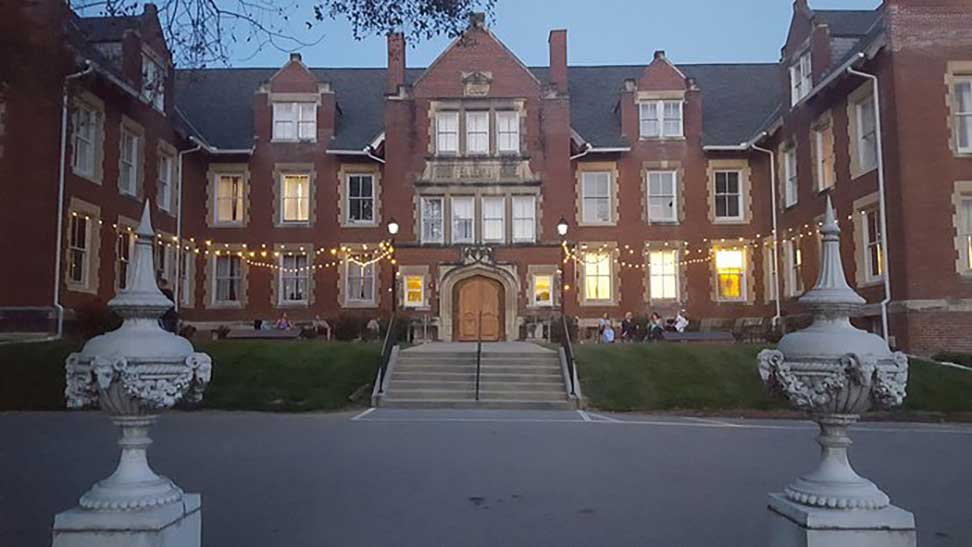
The museum’s annual fundraiser and trivia night is coming up on Saturday, Oct. 21 (6-8:30 p.m.), at the Belvoir Winery and Inn. Attendees can get in for $20 and enjoy refreshments and snacks while testing their knowledge of local trivia; a silent auction will also take place.

Throughout the rest of the year, be sure to attend the museum’s Third Thursday programs, local presentations of local historical people, places and events.

For more information, visit www.claycountyhistoricalsocietymuseum.org.


The Belvoir Winery and Inn

The Belvoir Winery and Inn will be the site of this month’s annual fundraiser and trivia night to benefit the Clay County Historical Society and Museum in Liberty. (Image courtesy of Trip Advisor)

Enjoy Midwestern hospitality at the Missouri Day Festival

October 2023 … 

Enjoy Midwestern hospitality at the Missouri Day Festival

The 38th Annual Missouri Day Festival will once again celebrate the state’s rich history, Oct. 20-21 in Trenton.

Grab a bite or a gift among the more than 130 craft and food vendors, and if you’re still not done shopping for that perfect gift, stop by the event’s flea market. Attendees also can enjoy a parade, blacksmith demonstrations, a state high school band competition, or let their hair down and kick up their heels at a country dance. Missouri Day festivities are sponsored by the Trenton Area Chamber of Commerce.

For more information, call 660-359-4324 or e-mail trentonchambermo@gmail.com.


A tisket, a tasket – the story of Easter baskets

March 2022

Feature Article

A tisket, a tasket – the story of Easter baskets

by Corbin Crable


Easter baskets

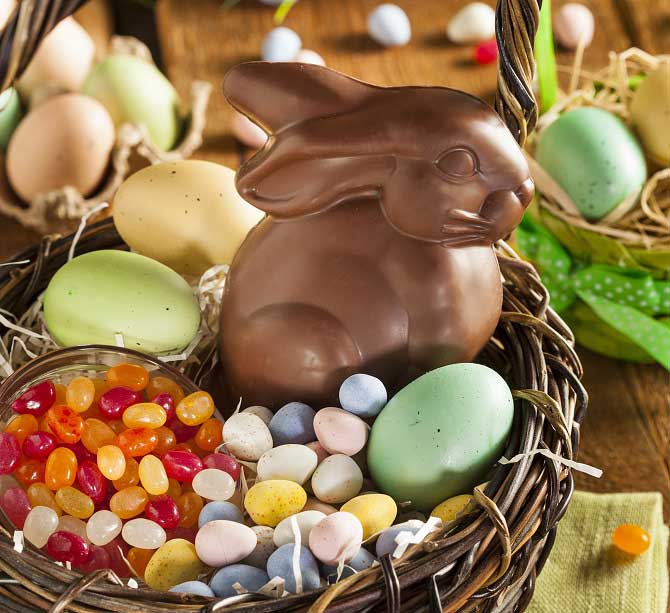
Easter baskets are synonymous with the annual holiday, but they’re much more than just chocolate, colorful eggs, and plastic blades of grass.

According to Southern Living, the origins of these displays can be traced back to the 17th century, when the Germans began to tell stories to their children about a hare who would lay eggs only for well-behaved children in a nest, made up in a basket or hat. In Easter lore, German Protestant parents referred to the magical egg-layer as the “Osterhase,” or “Easter Hare.” It was only appropriate that a hare was used in these tales since the animal is a symbol of the spring season.

Dutch immigrants brought the Osterhase tale with them to America, where the hare became more commonly known as the “Easter Bunny.” The Easter Bunny exploded in popularity during the Victorian Era, when its fluffy visage appeared on greeting cards, papier-mache eggs, and candy wrappers, among other items. The night before Easter, children were to set their Easter baskets out for the Easter Bunny to fill with goodies – much like the idea behind hanging a Christmas stocking out for Santa Claus to fill.

“They’re symbolic nests and are specifically used by children in modern Easter egg hunts to carry their prizes,” explains Krystal D’Costa in a 2017 article published in Scientific American. “Filled to the brim with eggs and other treasures, they are the epitome of birth and potential. The idea of the basket itself is also very old, so as a vehicle of transmission, it’s not hard to imagine that they were featured in Spring visitations throughout history; perhaps they were used to bear gifts or transport seedlings or simply to bring food to communal meals.”

mask Madri Gras

Colorful Sweets

Easter baskets filled with colorful sweets have been a standard during the holiday for hundreds of years. (Image courtesy of Chowhound)

Conversation Hearts

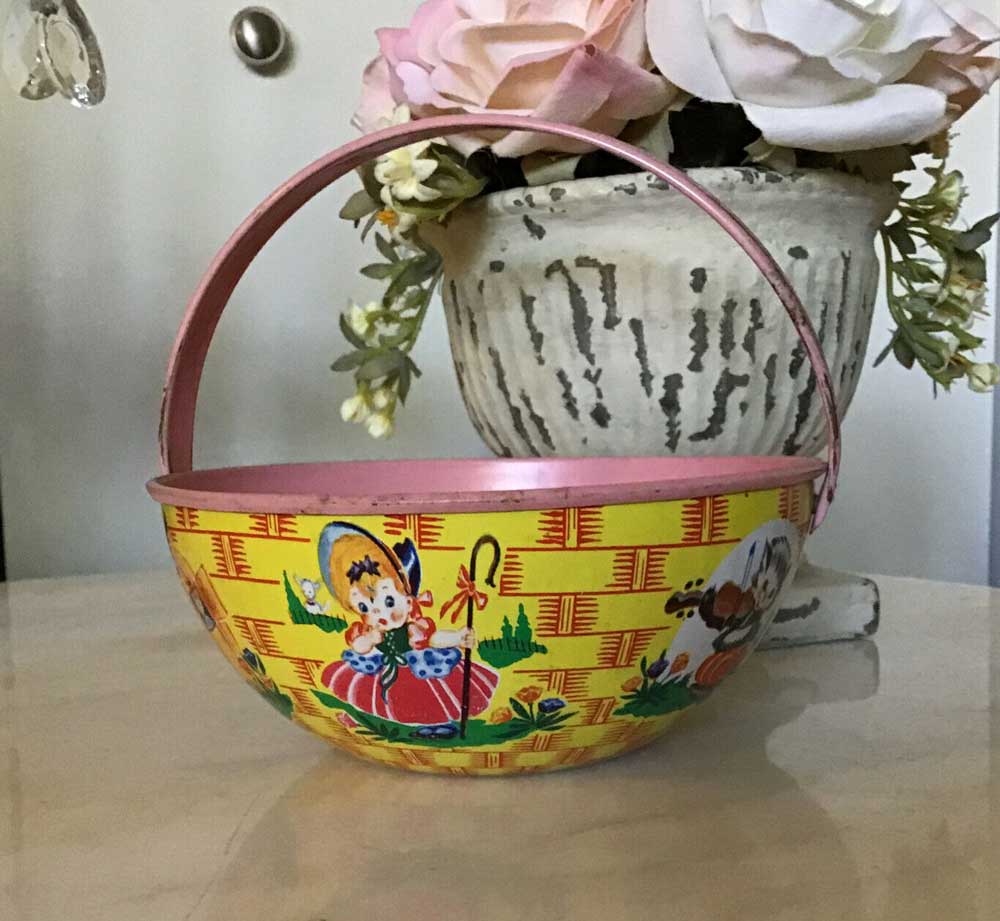
Tin Easter basket

Not all Easter baskets are made of wicker, straw or wood. Tin Easter baskets like this one, made by Chein & Co. and estimated to be worth $75-$100, were commonly sold in midcentury America.
(Image courtesy of Etsy)

 If you grew up in the mid-20th century onward, you’re likely familiar with all of the beloved staples you’d find in your Easter basket – Cadbury Crème Eggs (have they gotten smaller?), chocolate bunnies, malted milk balls, jelly beans, Jordan Almonds, candy buttons, and neon-colored, marshmallow Peeps. The favorite Easter candy of most Americans this year, according to a survey disbursed by RetailMeNot, is Reese’s Mini Peanut Butter Eggs.

Meant to only hold eggs and candy for the past few hundred years, in recent decades the Easter basket it has become customary to add any variety of toys and small gifts to baskets given to children on Easter Sunday.  

In recent years, the article notes, spending on Easter-related gifts has exceeded $680 million, and it only continues to become an industry whose growth continues – as do the cost of the items found in a basket.

In other words, Easter baskets aren’t just for candy any longer.

More recently, parents are viewing these baskets as a way to gift items to children they can use – school supplies, books, gift cards, even articles of clothing.

“Easter baskets have become an indicator of status and means as much as they are a part of the Easter tradition,” D’Costa writes.
And they’re not just for kids, either. Adults in recent years have begun trading baskets as well.

“Like so many Easter traditions, the Easter basket has come a generic event that is tenuously tied to Easter and the religious tones of the holiday,” according to D’Costa’s article. “This broad appeal further drives its marketability and opens the door for greater displays of status.”

Conversation Hearts

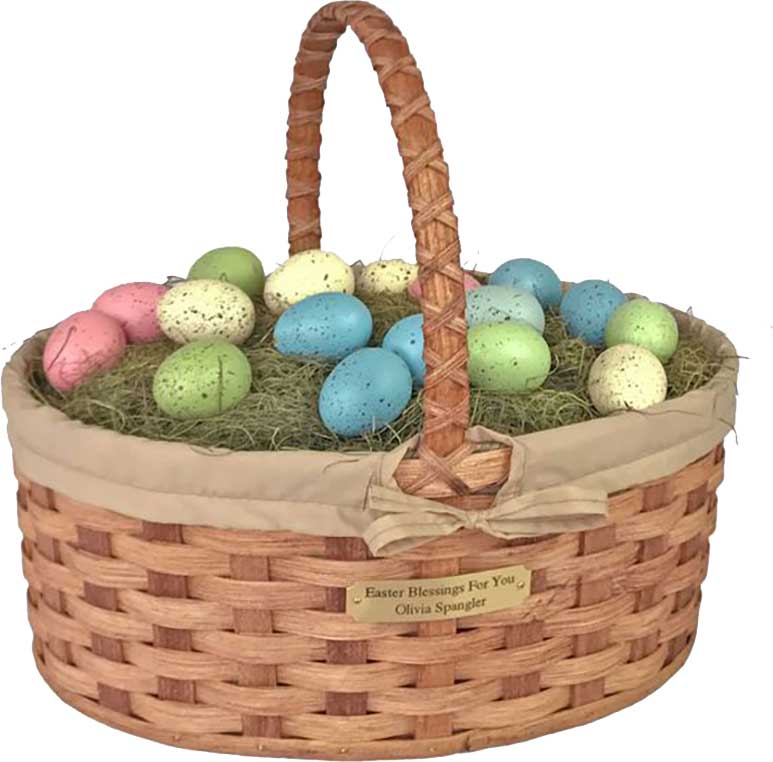
Woven wicker basket

This woven wicker basket and others like it are hand-made by an Amish family living in the Midwest. (Image courtesy of Amishbaskets.com)

Still, despite their growing appeal to adults, Easter baskets remain a special treat coveted by children the world over. At least one writer, Hope Yancey of Our State Magazine, says that she and her sister delighted in their quest to discover more treats hidden within the basket’s plastic grass.

“(My sister’s) best basket memory is the suspense of rifling through it and not knowing what would be in it. That, and the Cadbury Creme Eggs,” Yancey wrote in a 2014 column. “Even now, she proclaims them her all-time favorite candy, with their filling the color of egg albumen and yolk, surrounded by a milk chocolate shell. On occasion, we might receive sugar egg dioramas with miniature scenes of rabbits or ducks displayed inside. (Those, we enjoyed more as keepsakes than for consumption, and they lasted practically forever). Like hungry rabbits in search of a tender patch of clover to nibble, we pawed through the Easter grass to find forgotten items hiding in the depths of the baskets.”

Now, as an adult, Yancey wrote, she appreciates not just the basket’s contents, but also the time and care her mother took in making them special – something parents had been doing on behalf of the Easter Bunny for years.

“Their presentation, and the fact that our mother took the time to pull it all together, made the difference,” Yancey wrote. “Somehow, the end result was always something greater than the sum of its parts.”

Contact Corbin Crable at editor@discovervintage.com​

Masks bring touches of playfulness, color to Mardi Gras

March 2022

Feature Article

Masks bring touches of playfulness, color to Mardi Gras

by Corbin Crable


Mardi Gras celebrations

One of the most widely-recognized traditions of Mardi Gras celebrations – that of wearing masks and costumes during celebrations – is also one of the most collectible, as a peek around cyberspace will show.

Throughout the Fat Tuesday celebrations of the Carnival season that precede Lent, costumes can be found on the characters who wave to crowds that line the streets of New Orleans, that U.S. city, of course, with the largest Mardi Gras celebration in America (St. Louis, right here in the Midwest, claims to be the city with the second-largest celebration).

One scholar, Jasmine Freile-Ortiz, wrote in 2020 for Loyola University’s Documentary and Oral History Studio that these masks have become a cherished feature of Mardi Gras celebrations throughout the centuries.

“The Mardi Gras mask has rightfully earned its spot as one of the most notable parts of the holiday. These simple creations add such a unique and exciting element to the holiday and celebration,” Ortiz writes. “Masks and costumes give many the opportunity to freely express themselves and transform into another being while creating art that depicts the beautiful soul of New Orleans.”

The masks themselves have their roots in Renaissance-era Venice, Italy, where revelers could engage in forbidden vices during Mardi Gras, their identity unknown, thanks to their face covering,

mask Madri Gras

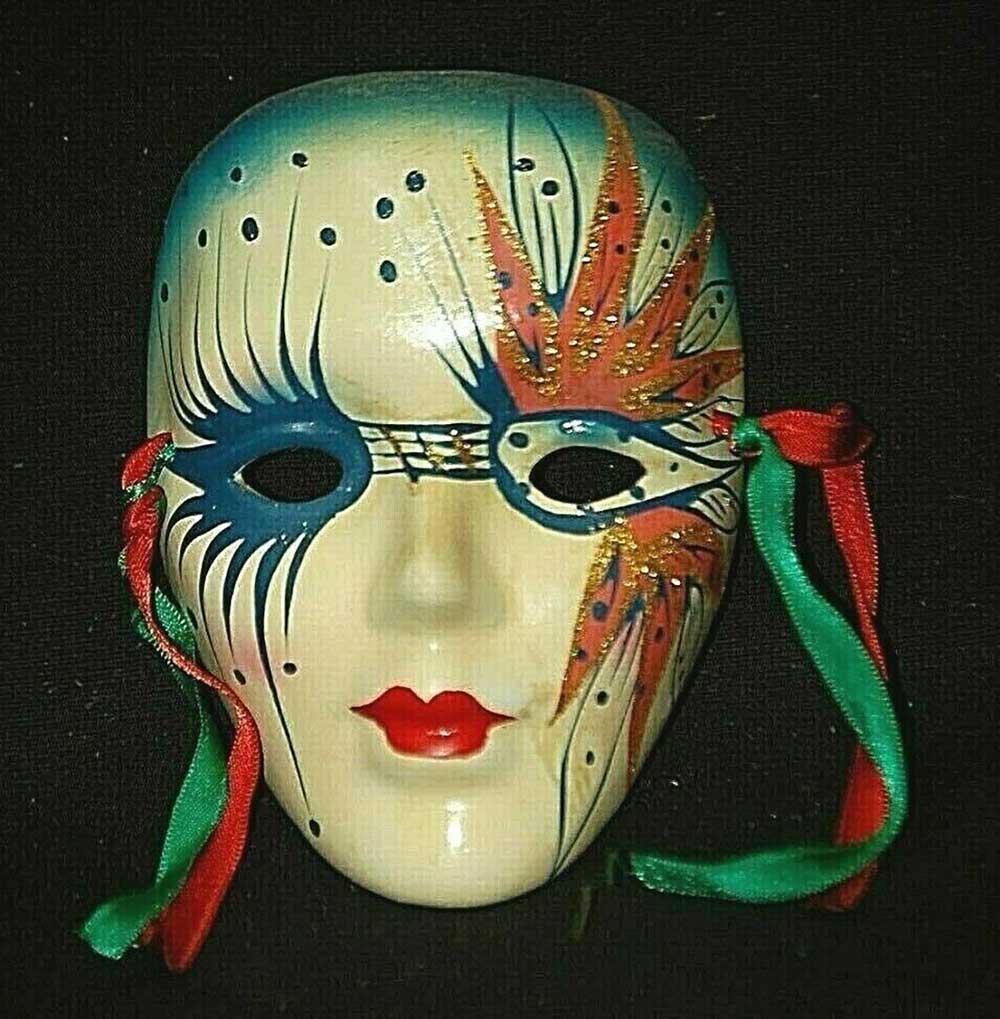
Madri Gras Mask

A face mask painted with red and blue accents, decorated with ribbon. (Image courtesy of Collectors Weekly)

Conversation Hearts

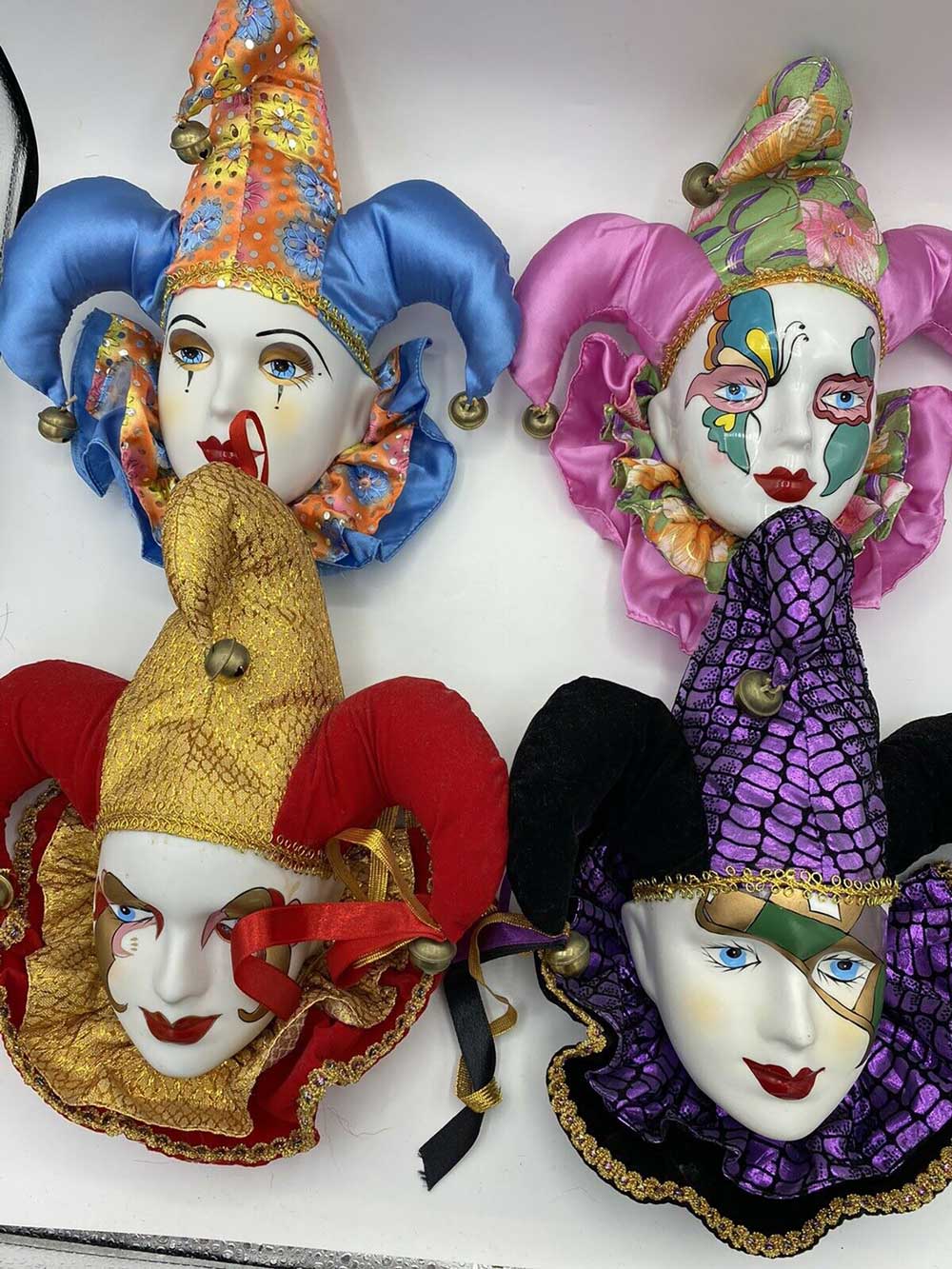
Four porcelain Mardi Gras masks

Four porcelain Mardi Gras masks in the style of jesters. (Image courtesy of Collectors Weekly)

Those masks manufactured in Venice are festooned with gold and silver embellishments in the Baroque style; they are intended to appear more comedic in nature. Other Venetian masks known as “Bauta” covered not just the upper half of one’s face, but the entire face. These masks usually had no mouth, but included a prominent brow and an elongated nose. This style of mask would usually be worn with a cape and tricorne-style hat.

A third style, the Colombiana, was a half-mask held up to the wearer’s eye level, usually affixed to a stick with ribbon; they also could simply be tied to one’s head. Meant to convey the wearer’s elevated social status and elegance, the Colombiana mask was usually decorated with jewels, gold and even feathers.

One style of mask that has made its way into pop culture in this current global pandemic era is the “medico della peste,” or plague doctor mask. With a curved beak that covered the nose and mouth, the mask was filled with fragrant items like dried flowers, cloves, and herbs thought to purify the air. The mask was invented in the 1600s by a French doctor who thought it would prevent physicians from catching the plague; in Mardi Gras celebrations, meanwhile, the plague doctor mask is meant to serve as a somber reminder of the revelers’ mortality.

Finally, a modern Venetian mask, simply referred to as the “volto” (“face”) mask, is crafted from porcelain, simply painted, with simple expressions on the mask’s sealed lips. This type of mask is able to be tied on with a ribbon.

Today’s masks used in Mardi Gras celebrations in New Orleans have taken the concept of these classic Venetian masks and expanded upon them to include portrayals of animals, angels, beasts, devils, and clowns, among other characters.

“Through this all, it is shown that masks are deeply personal. A Mardi Gras mask is not confined to any specific set of rules, colors, shapes, or accessories; it is simply confined to one’s own imagination and boldness,” Ortiz writes. “(People create) masks of all sorts, from simple, elegant masks, to masks depicting animals, to masks used to convey a message.” 

In addition to being found online on auction sites as full-sized versions, smaller versions of every style of mask also can be found, as a brooch, earrings, or as a wall decoration in your home. Let these items express your colorful personality and imagination during this Mardi Gras season.

Source: Collectors Weekly

 

Contact Corbin Crable at editor@discovervintage.com​