
Many differences exist between ‘Oz’ book and classic film
Sept. 2026
Everything Old
Many differences exist between ‘Oz’ book and classic film
by Corbin Crable
As many of you may recall, watching “The Wizard of Oz” on cable television used to be an annual event – your family would get cozy in the living room, grab a bowl of popcorn, and wait for the booming music from the MGM Studio Orchestra, signaling the start of a classic tale that’s been loved by generations of moviegoers (and especially we Kansans).
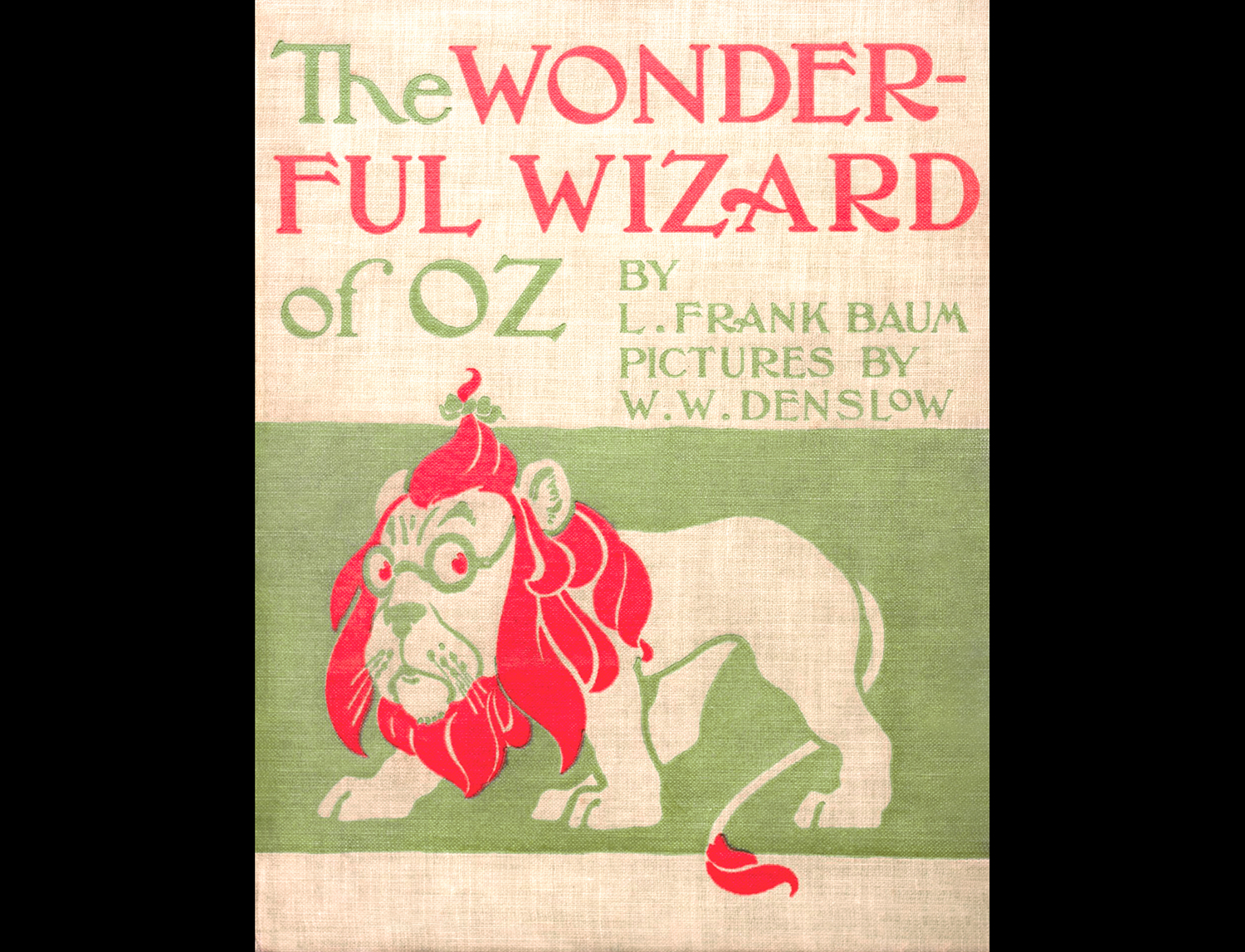
You might even think you know all there is to know about the 1939 film, based on the 1900 children’s book “The Wonderful Wizard of Oz” by L. Frank Baum. Whether you’ve seen the film AND read the series of Oz books, however, is likely another story.
The official canonical books in the Oz series numbers 40 – often called the “Famous Forty,” with Baum himself writing 14 of them before his death in 1919. The other 26 were written by a series of other authors, with the final Oz book published in 1963. Audiences the world over love the film for its colorful, joyous messages about the power of self, of friendship, of home.
The Oz books, however, were not only stranger but also much darker (the 1985 sequel, “Return to Oz,” has been described as being closer to Baum’s books than its predecessor, and Generation Xers know that to be true. Did that film give anyone else nightmares?).
Many other differences exist between the original book and the 1939 MGM film. Take a look:
- In the film: Dorothy’s iconic ruby slippers were red, made so because director Victor Fleming wanted to show off the wonder of Technicolor.
In the book: Dorothy’s slippers were a shimmering silver. - In the film: The Emerald City and everything in it was green.
In the book: Characters had to wear special pairs of glasses within the city, which made everything appear green and thus more magical.
- In the film: The Wicked Witch of the West is the primary antagonist and given plenty of screen time alongside her minions (the Winkie Guards and winged monkeys, of course).
In the book: The Wicked Witch’s role was quite small; she was only introduced for two chapters before being killed off – or, as the Wizard himself says in the film, “liquidated.” - In the film: Dorothy is portrayed as a teenager, around 14 or 15.
In the book: Though Baum doesn’t explicitly state her age, Dorothy is portrayed as a small child, likely around 7 or 8. - In the film: Real-life people such as the farm hands, Professor Marvel, and the wicked Miss Gulch are parallels of the Scarecrow, Tin Man, Lion, the Wizard, and Wicked Witch in Oz. At the end of the film, when Dorothy wakes up from her slumber surrounded by her family and friends, the viewer is to believe that Dorothy’s experiences in Oz were simply a dream.

Holiday celebrations made special with cherished traditions
https://firefly.adobe.com/generate/images November 2023 Everything Old Holiday celebrations made special with cherished traditions by Corbin Crable Far too often, we don’t truly appreciate traditions when we’re living them in the moment. This is especially true for…

Item tied to former Kansas mayor, his family
Wallet Photo by Jonathan Duran on Unsplash October 2023 Everything Old Item tied to former Kansas mayor, his family by Corbin Crable Last weekend I enjoyed my first visit to Merchant Square in Independence, MO, where I had the pleasure of interviewing Jace Sanders,…

Items crafted in Occupied Japan were designed to kick-start postwar economy
Photo by Tianshu Liu on Unsplash September 2023 Everything Old Items crafted in Occupied Japan were designed to kick-start postwar economy by Corbin Crable Made in Japan If you’re a collector of ceramics and porcelain, it’s likely that you’ve checked on the bottom of…
Happy 50th anniversary, Discover Vintage America
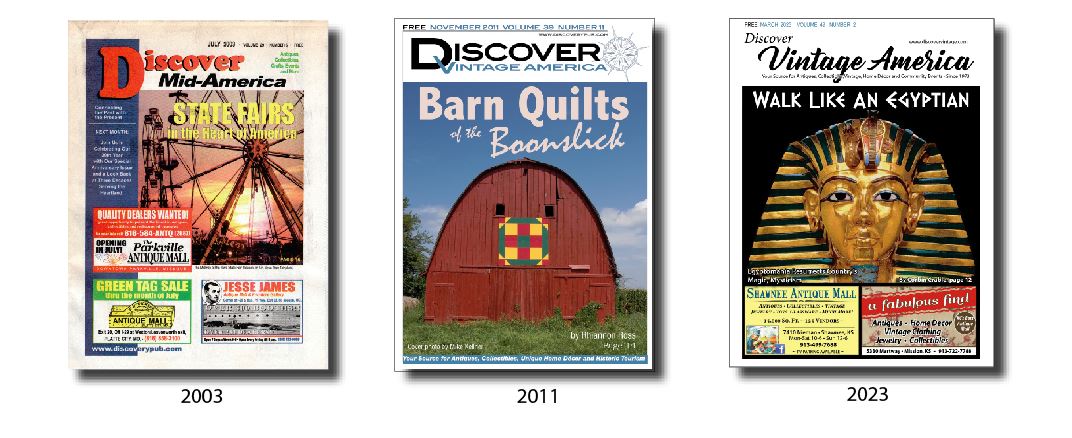
As the years rolled on, the cost of color printing became more affordable, and four-color printing became the standard. The printing process has become more streamlined as well, with digital files now being sent to our printers in Breese, IL, where the magic happens….

Goodbye to a longtime colleague
Photo by Christelle BOURGEOIS on Unsplash July 2023 Everything Old Goodbye to a longtime colleague by Corbin Crable Honor to dedicate this issue to … Just because we know that death is a part of life, that acknowledgment never makes that loss any easier when it…

Anniversary is a time to remember days, people past
Photo by Lucas Law on Unsplash June 2023 Everything Old Anniversary is a time to remember days, people past by Corbin Crable 50th anniversary This year includes a couple of very special occasions that are near and dear to my heart. The first, we’ll celebrate with all…