
Quilt appraising 101
September 2026
Covering Quilts
Quilt appraising 101
by Sandra Starley
Want to know more about your antique quilt or a family heirloom?
Donating a quilt to a charity and want to get the correct tax deduction? Entering a quilt in a national contest and dreading shipping it across the country? Made a gift quilt and want to be sure it is appreciated and doesn’t end up as a dog bed? Interested in selling quilts and wondering about pricing? Want to be sure your hard work is protected and not valued like a discount store blanket?
Simply curious about the value of your beautiful, quilted creations?
Yes, those are a lot of different situations and diverse types of quilts, but a Certified Quilt Appraiser can help you with all of them!
Finding a Certified Quilt Appraiser
Why do you need a certified quilt appraiser? Your quilts deserve a certified appraiser who has been thoroughly trained in all types of quilt appraisals (antique, vintage, new, traditional, or modern). You need someone who has been tested by an organization that monitors their credentials, continues training, and can assist you if you have a problem. The American Quilters Society (AQS) in Paducah, KY, is the only national certifier of quilt appraisers. Their training, testing, and certification program started in 1988. There are about 60 AQS Certified Quilt Appraisers in the United States and Canada.
For an AQS Appraiser visit www.americanquilter.com/connect/aqs-certified-appraiser-directory.
Most certified appraisers belong to the Professional Association of Appraisers Quilted Textiles (PAAQT), established in 1992 to promote the importance of quilt appraisals and to provide continuing education and networking. They maintain an appraisers list at paaqt.com.
Wondering about getting an online appraisal by sending in some photographs of your quilt? Sorry. Written and certified quilt appraisals are legal documents and require that the appraiser personally examines the quilt.
Decide on the Type of Appraisal You Need
Insurance: the most common type of appraisal stating a value for replacing the quilt with one of similar like and kind (comparable sales). For an antique quilt, it would be the cost to purchase another quilt from a similar era and with similar workmanship and condition. For a new quilt, insurance value may be the cost to purchase a similar one or the cost to reconstruct a similar quilt. Record of sales, fame of maker, awards won, etc., can increase the value.
Fair market value: needed if you want to sell your quilt and based on what the quilt would sell for in a transaction with a knowledgeable and willing buyer and seller in a standard marketplace. Also used for estate valuations.
Donation value: for a quilt donated to a museum or other organization and based on fair market value.
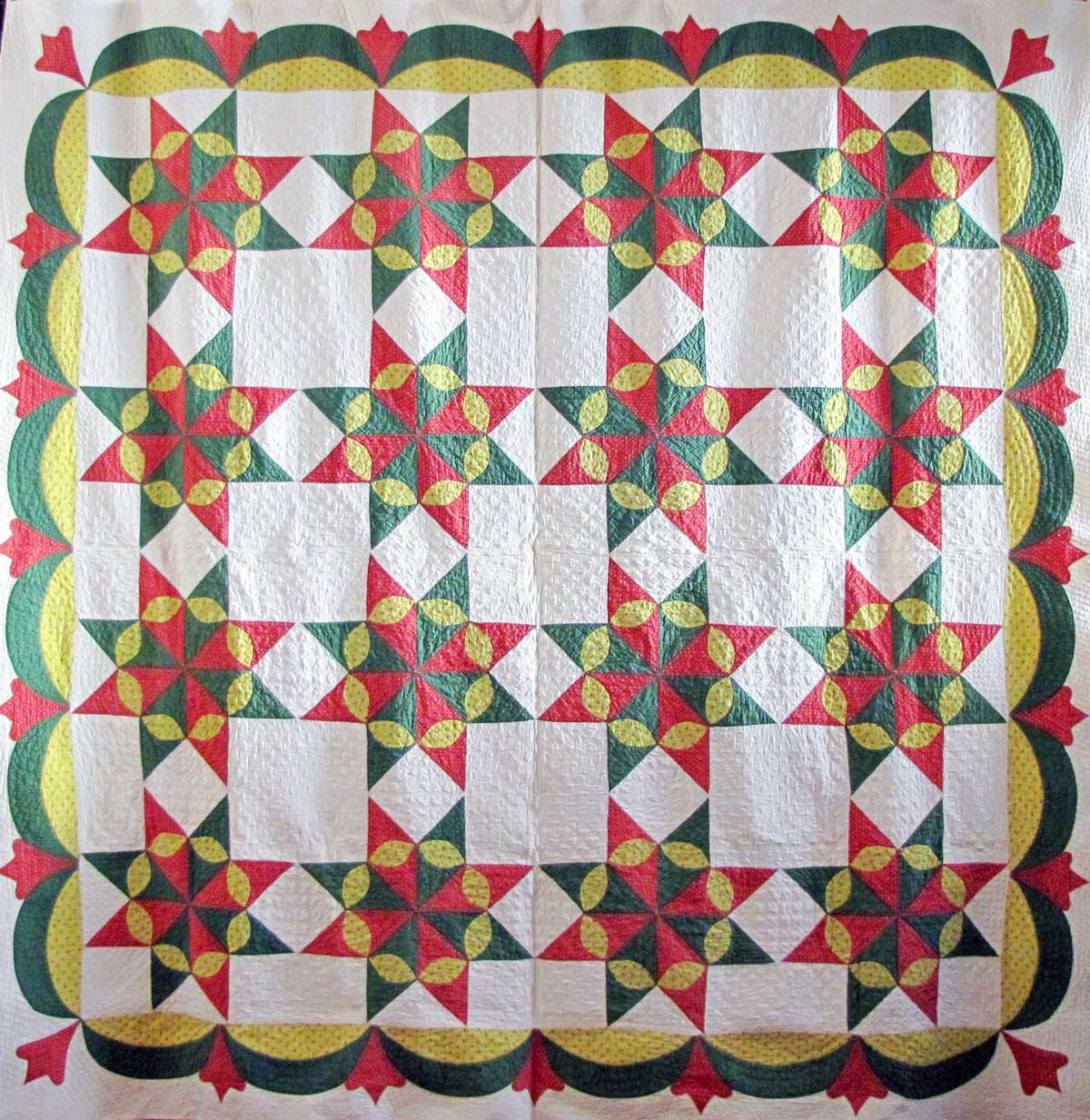
An antique 1860s French Star Quilt from the Starley Quilt Collection. (Image courtesy of the author)
Gather Information about the Quilt
Compile any documentation you have about the quilt and its creation. For an antique/family quilt, contact family members to get details on the maker, where they lived, etc. This information, known as provenance, can add value. For a purchased antique, find the receipt and any information you received at purchase. For a newly made quilt, check on the pattern name/source (if not original) and note any unusual techniques or expenses related to creating the quilt.
After Appraisal
Check with your insurance company to make sure the quilt is covered for the appraised value by your existing policy. You may need a rider to fully cover the quilt.
Note: I travel nationally to conduct appraisal days at quilt shows and for quilt guilds. Please feel free to contact me to arrange an appraisal event.
Sandra Starley is nationally certified quilt appraiser, quilt historian, and avid antique quilt collector. She travels throughout the U.S. presenting talks on antique quilt history, fabric dating classes and trunk shows as well as quilting classes. Learn more at utahquiltappraiser.blogspot.com. Send your comments and quilt questions to SandraStarley@outlook.com
Quilting makes the quilt: Quilting by hand, machine or check?
June 2022 Covering Quilts Quilting makes the quilt: Quilting by hand, machine, or check? by Sandra Starley Once you have your quilt top completed, there are many ways to finish it. You can hand quilt or machine quilt or some combination of the two. I like to…
Row, row, row your quilt… gently sew the seams – row quilts
May 2022 Covering Quilts Row, row, row your quilt… gently sew the seams – row quilts by Sandra Starley I was recently challenged to create a row quilt and thought I would share a bit about my process and about row quilts in general. Let’s start with…
Pressing matters: Part 2
April 2022 Covering Quilts Pressing matters: Part 2 by Sandra Starley Last month I wrote about the importance of properly pressing quilt blocks rather than ironing. I am back to share more hot topics. Quilters do take pressing issues quite seriously. #pressingmatters…
Quilters, press on – Pressing matters!
March 2022 Covering Quilts Quilters, press on – Pressing matters! by Sandra Starley It may sound silly to newcomers, but pressing in quilting is serious business. Note that I say pressing rather than ironing, and no, they are not the same thing. Quilters’ families…
Quilted fabric postcards – A piece of mail, a real work of art
February 2022 Covering Quilts Quilted fabric postcards – A piece of mail, a real work of art by Sandra Starley Last month I wrote about starting the year off right by learning to quilt or trying a different method of quilting. Stretching your brain with new and…
New Year’s resolution – New FUN!!! Start quilting or learn a new quilting skill
January 2022 Covering Quilts New Year’s resolution – New FUN!!! Start quilting or learn a new quilting skill by Sandra Starley Celebrate than by learning something new We are starting a new year, and what better way to celebrate than by learning something new?…