
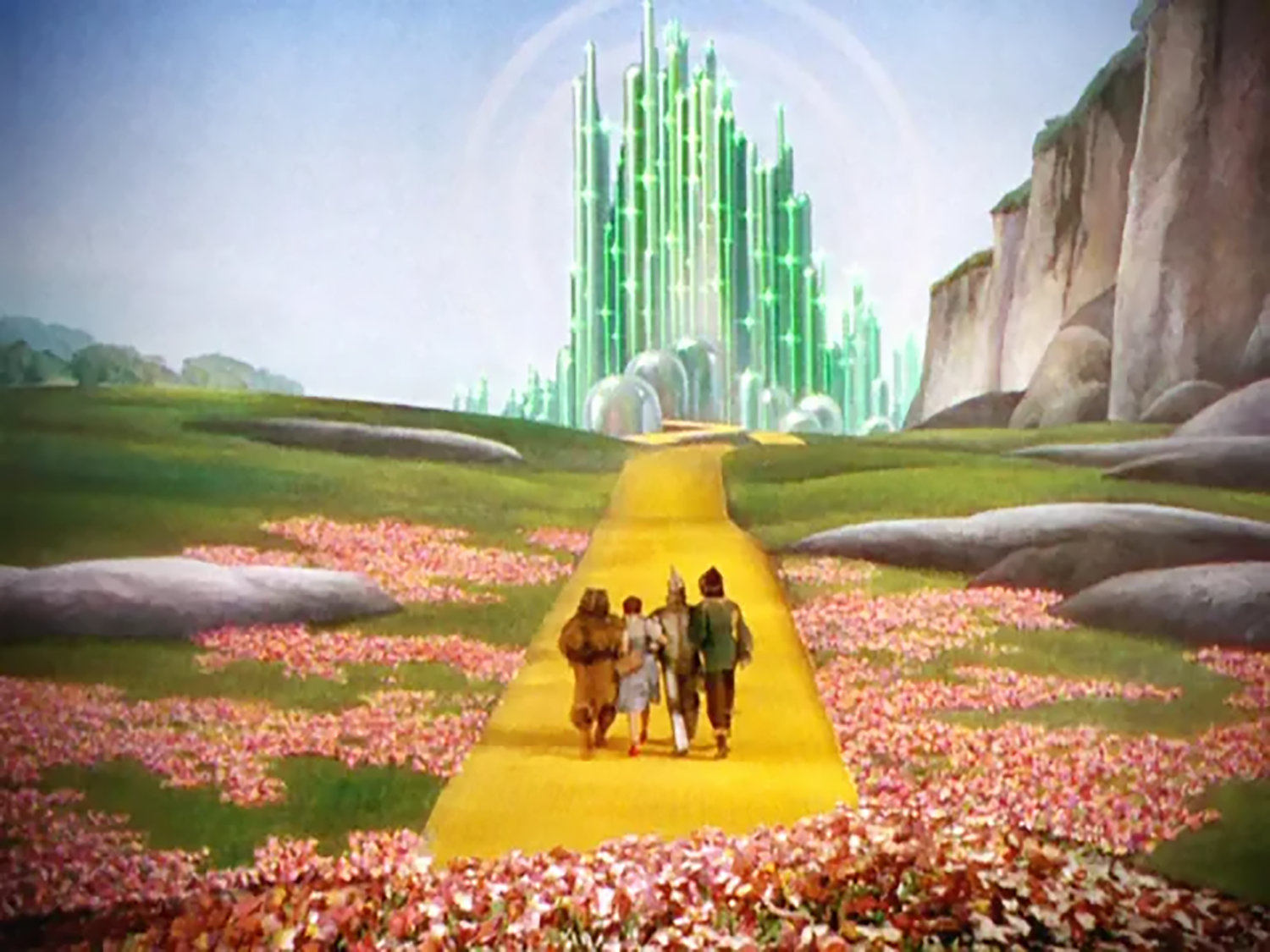
The shimmering Emerald City toward which Dorothy and her new friends skipped was a painted scene using pastels on a board. (Image courtesy of The Library of Congress)
Sept 2026
Cover Story
Follow the Yellow Brick Road
The story behind the making of The Wizard of Oz
by Corbin Crable
In 1898, in a small office in Chicago, L. Frank Baum sat in front of a group of children, enraptured by Baum’s story about a little girl who was swept away from her tiny home in the Midwest and transported to a magical world where animals could talk and the key to getting home lay in the hands of a great, mysterious wizard.
“What was the place called?” piped up one child, eyes wide.
I haven’t thought of a name! the man thought to himself. Baum looked around his office hurriedly, his eyes eventually landing on two filing cabinets in the corner. One was marked with the letters A-N. The other was O-Z.
Baum, a failed businessman who, by this time, had gained experience as a children’s author, began to put pen to paper, eager to breathe life into the story that would become a beloved classic. “The Wonderful Wizard of Oz” was published in May 1900. It was an instant hit, and it would inspire several stage plays and silent films until for the next two generations.
Then Metro-Goldwyn-Mayer entered the picture.
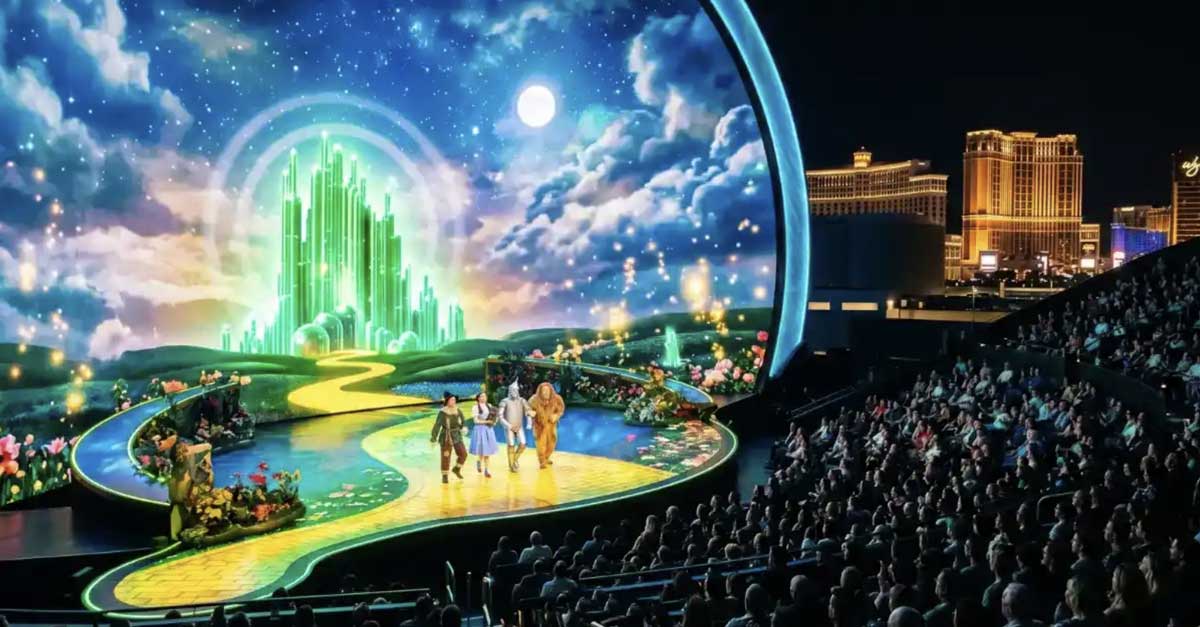
The Wizrd of Oz at the Sphere.
An audience enjoying the larger the life experience of The Wizrd of Oz at the Sphere. (Image courtesy of lasvegaswonders.com)
MGM takes a gamble on fantasy
In 1937, Disney’s Snow White and the Seven Dwarfs, the studio’s first full-length feature film, opened to critical acclaim. The film’s success showed other studios that, contrary to the belief of the men who ran them, films marketed to children could be successful and profitable. MGM purchased the rights to Baum’s film in early 1938, and early work on crafting the film began soonafter.
“Hollywood was a very bleak place in 1938 when they were working on Oz. Filmmaking was, and still is, an extremely new artistic medium. This was less than ten years after the first ever Academy Awards, and studios were intent on trying to ensure that their films would be honored at the new ceremony,” according to a 2024 blog post on the website of The American Heritage Center. “In the mid- to late 1930s, most films were musicals so as to utilize the invention of ‘talkies,’ or films with synchronized sound. Between the brewing tension of World War II and the Great Depres-sion a decade earlier, films either directly reflected the anxieties of the time or tried to distract from them, but no studios were producing fantasy films.”
MGM enlisted one script writer after another to bring that fantasy to the silver screen – nearly a dozen, in fact, with three being credited with the finalized screenplay. A total of five directors, meanwhile, worked on the film, with only Victor Fleming credited, as he worked on the project for the longest duration of time (four months). Fleming departed before the film was completed to direct another classic – Gone With the Wind. Harold Arlen composed the film’s legendary music, and the lyrics to its songs were written by E.Y. “Yip” Harburg.
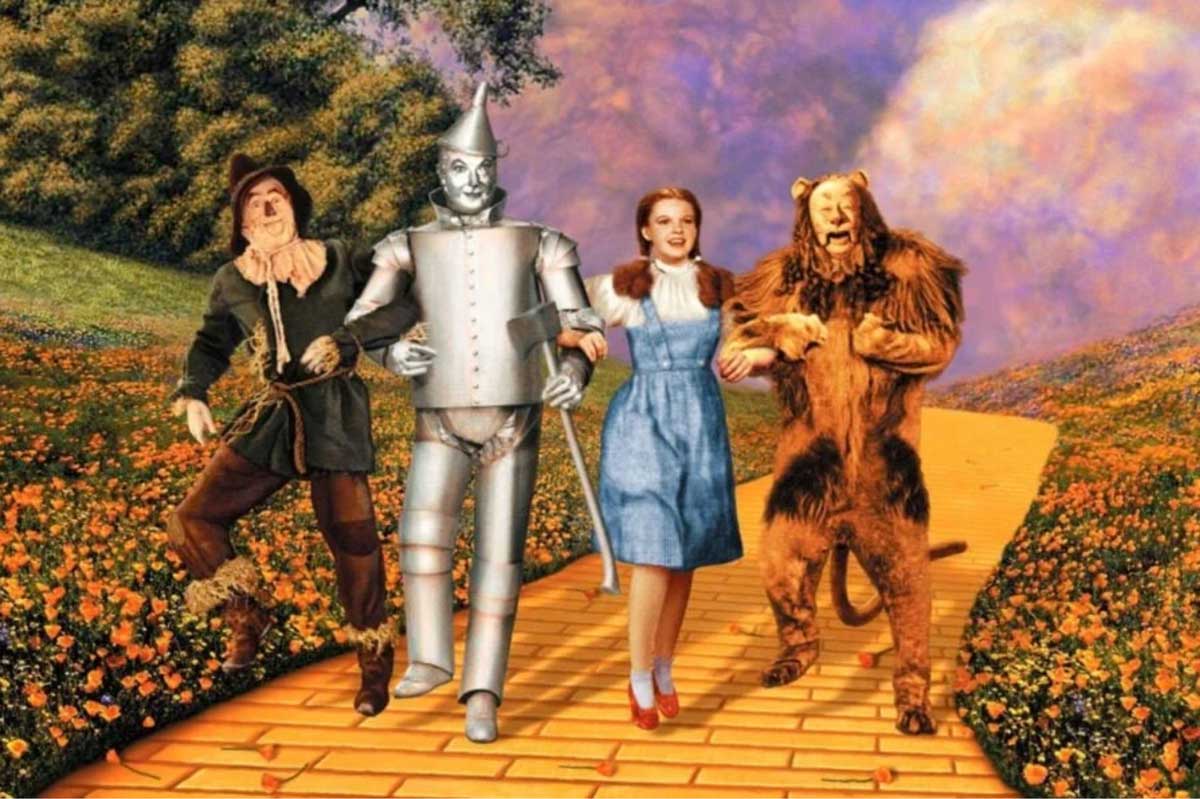
We’re off to see the Wizard!
We’re off to see the Wizard! The beloved film The Wizard of Oz celebrated its 87th anniversary last month.
(Image courtesy of The Library of Congress)
Glorious Technicolor brings the characters to life
As usually happens, many actors were considered for each of the roles. For the role of Dorothy Gale, Shirley Temple, the red-haired, rosy cheeked little girl who helped Americans smile through the Great Depression, was examined, but the part ultimately went to 16-year-old Judy Garland, the most experienced actress of those considered. Also considered for roles in the film were W.C. Fields as the Wizard (the part went to Frank Morgan), Buddy Ebsen as the Scarecrow/farmhand Hunk (he withdrew from the role after suffering a near-deadly reaction to the aluminum powder makeup he was required to wear. Ray Bolger, who originally was considered for the part of Jack Haley’s Tin Man/Hickory was ultimately cast), and Gale Sondergaard as the Wicked Witch of the West (the part, of course, eventually was magnificently played by Margaret Hamilton). Other actors included Bert Lahr as the Cowardly Lion/Zeke and Vaudeville’s Billie Burke as Glinda the Good Witch of the North.
One hundred little people were cast as the Munchkins following a long talent search; some children were used as well. Each Munchkin actor was paid $125 per week. And who could forget Dorothy’s furry little friend Toto? A Hollywood animal trainer supplied the Cairn Terrier named Terry (whose name was later changed to that of his film character). Believe it or not, like the Munchkins, Terry received a handsome $125 weekly salary.
Shooting began in October 1938. The Kansas scenes filmed in black and white and colored in sepia tone. The Technicolor process was used in the remainder of the film. The lighting used for the Technicolor process would bring the production’s electrical use to more than $225,000.
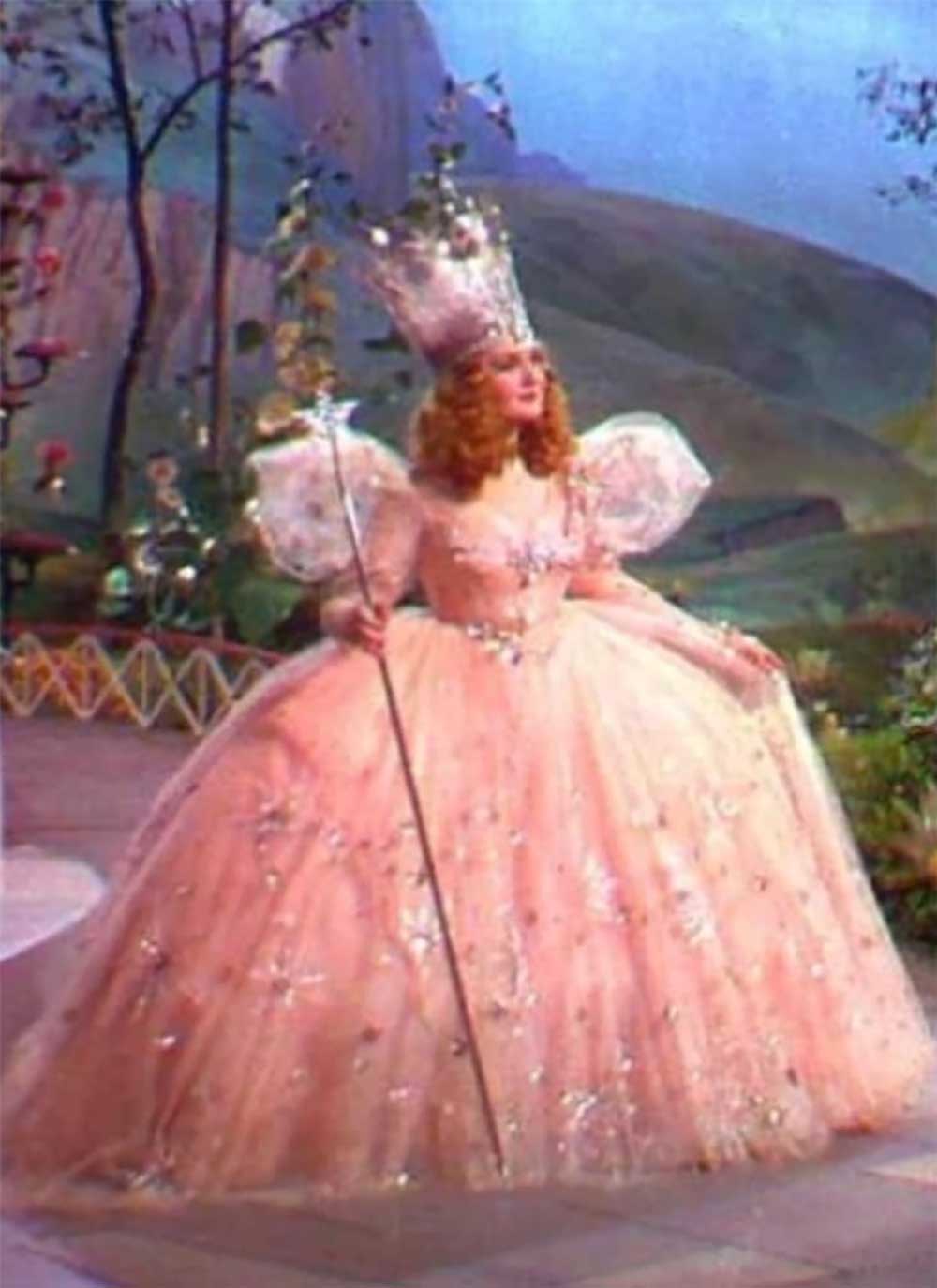
Glinda
Before Arianna Grande’s performance in “Wicked,” Billie Burke’s performance as Glinda became iconic. (Image courtesy of Facebook)
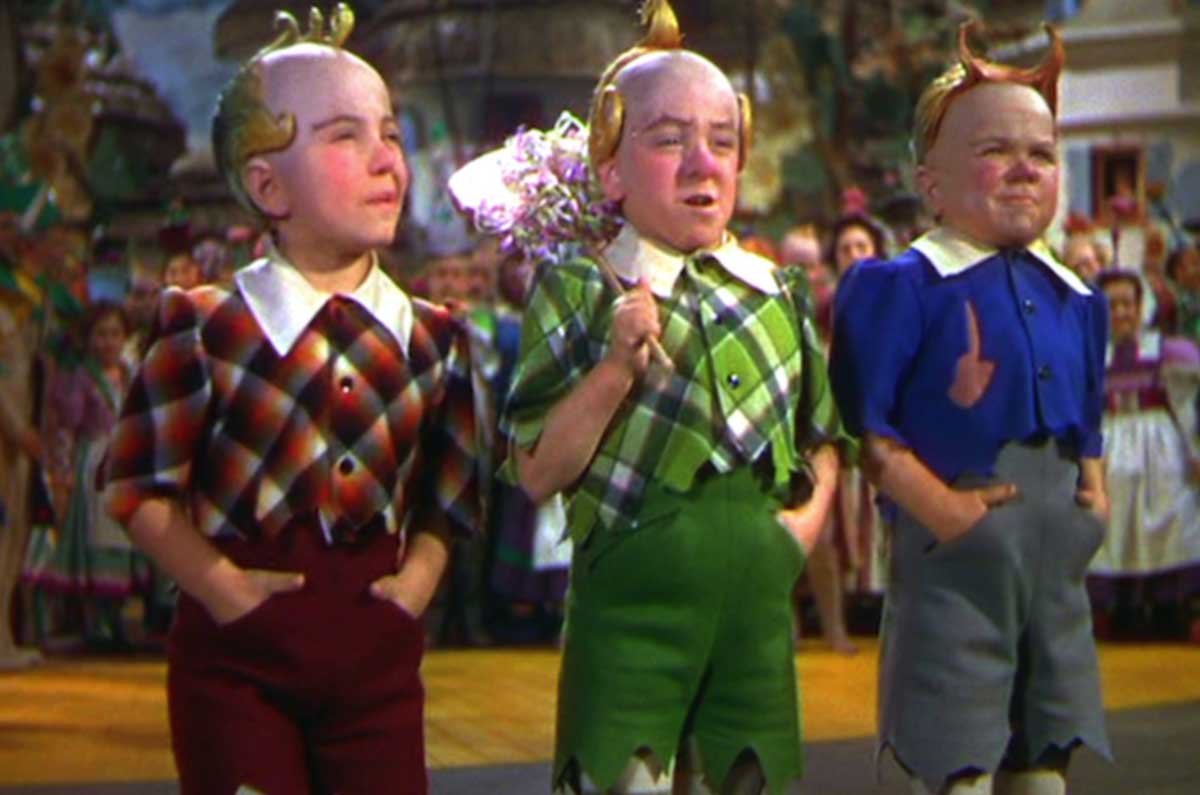
100 actors were cast as Munchkins
In all, 100 actors were cast as Munchkins in The Wizard of Oz. The last credited actor who appeared onscreen in the film was Jerry Maren (center), who died in 2018. (Image courtesy of the IMDB)
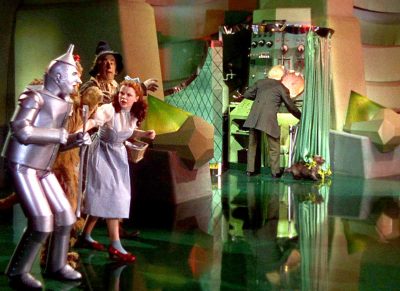
Toto reveals the man behind the curtain
Toto reveals the man behind the curtain. Frank Morgan was cast as the film’s title character after the studio had considered W.C. Fields for the role. (Image courtesy of Facebook)
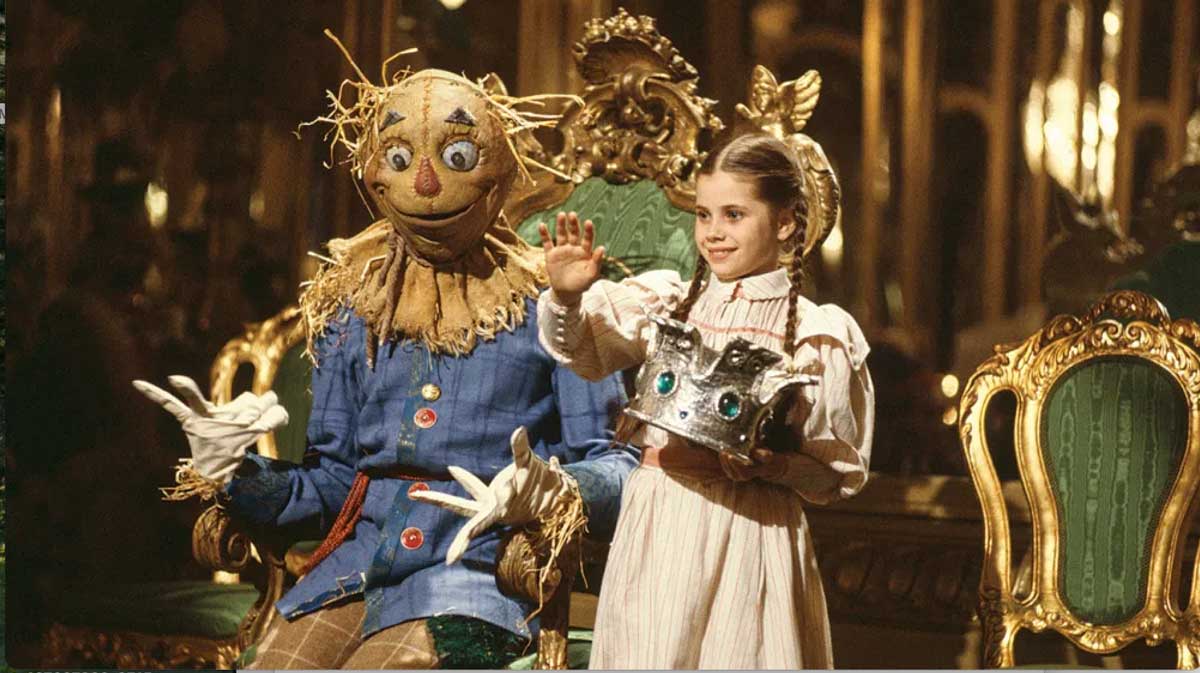
unofficial sequel to The Wizard of Oz, Disney’s Return to Oz
The unofficial sequel to The Wizard of Oz, Disney’s Return to Oz, made its debut in 1985. Although the film is dark in theme and contains frightening imagery, it’s been described as being much more faithful to L. Frank Baum’s original books than the 1939 film. (Image courtesy of The Hollywood Reporter)
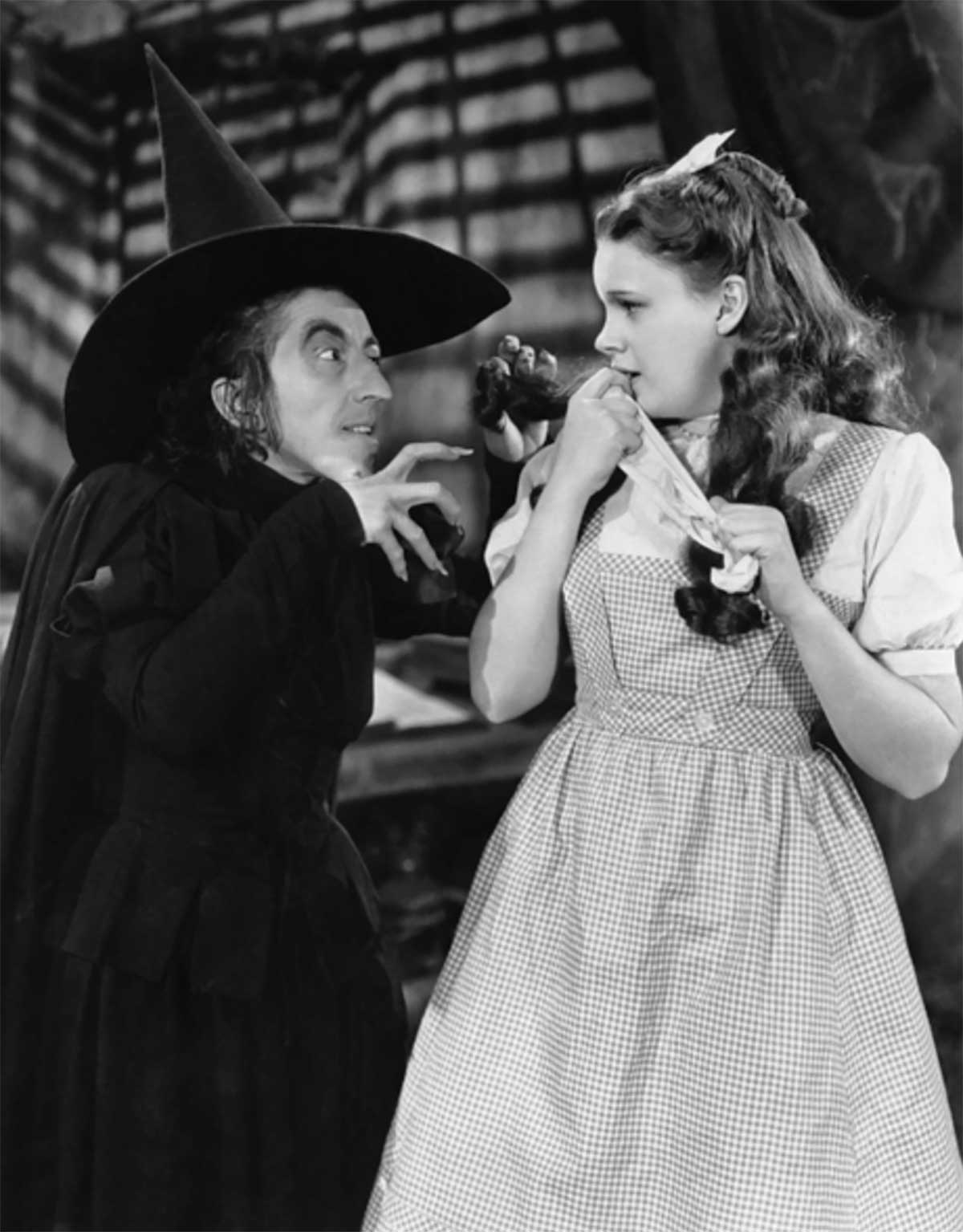
Wicked Witch of the West
The Wicked Witch of the West (Margaret Hamilton) and Dorothy (Judy Garland) in a promotional photo. Hamilton donned her witch hat once again in a 1975 episode of Mister Rogers’ Neighborhood to teach children how pretend works and to show that the Wicked Witch is only a fictional character. (Image courtesy of Pinterest)
Dark secrets on the set
Like Ebsen, Hamilton, too, suffered serious injury. In the Munchkin Land scene, when the Wicked Witch appears in a flash of fire and smoke, Hamilton was raised from below stage level on a small platform. On one take of her entrance scene, the fire ignited too soon, setting fire to her green makeup and burning her hands and face. Hamilton would recover from her burns for three months before returning to set.
The tales of Judy Garland’s abuse throughout filming are numerous. To make her look younger, it was mandated that her chest had to be bound; to keep her thin and petite, she was given amphetamines in order to keep her awake throughout her 16-
hour work days and to keep her weight down; at night, she took barbiturates to sleep. Garland also endured a dangerously restrictive diet of chicken soup, black coffee, and cigarettes.
More physical and sexual abuse committed against Garland cast a pall over the film’s production. Fleming slapped her when the actress entered into a giggling fit (a side effect of the drugs she ingested daily); it also was widely reported that multiple Munchkin actors pinched Garland, and that studio head Louis B. Mayer himself groped her.
“(The studio system sort of created your persona, turned you into a star,” Renee Zell-weger, who played a middle-aged version of Garland in the film Judy, said in 2019 to Yahoo News. “I think everything that went with it, which we have a better understanding of now, which would be to a young person’s detriment, they understand better today. Certain things about the pressures and the self-imposed pressures and all of that, are probably similar to some degree. Unfortunately, I didn’t think there was ever an understanding about how dangerous some of the things that were introduced to her [were].”
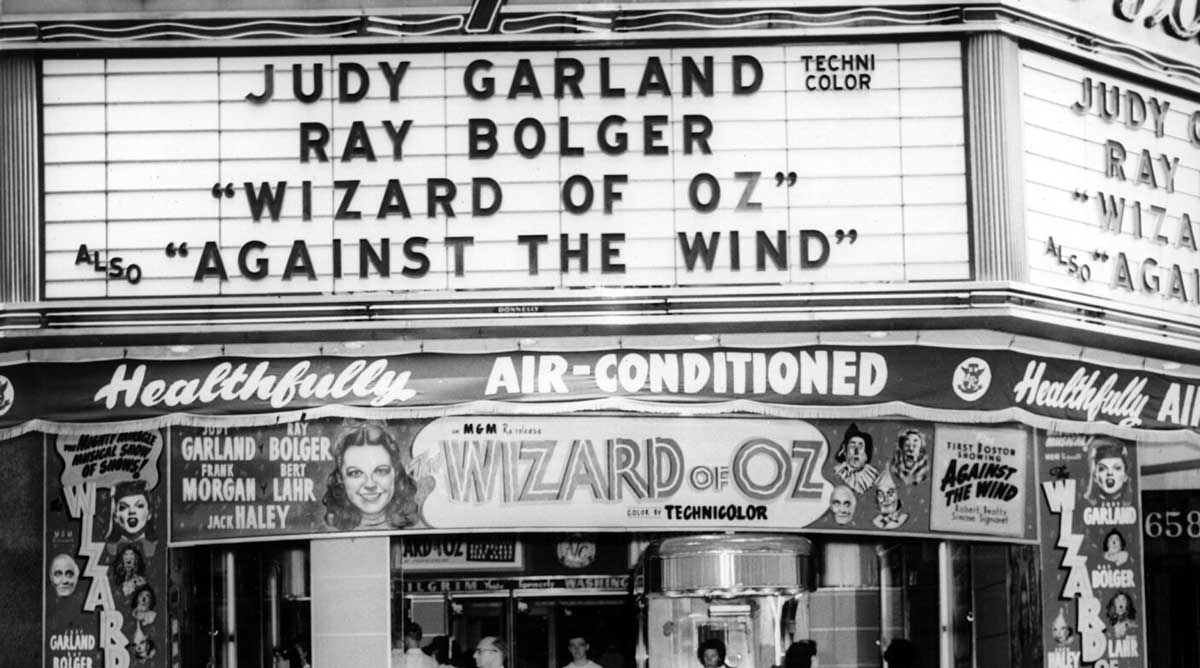
Wizard of Oz was re-released in theaters in 1949
The Wizard of Oz was re-released in theaters in 1949, a decade after its premiere. It eventually made its way to television in the mid-1950s. (Image courtesy of Remind Magazine)
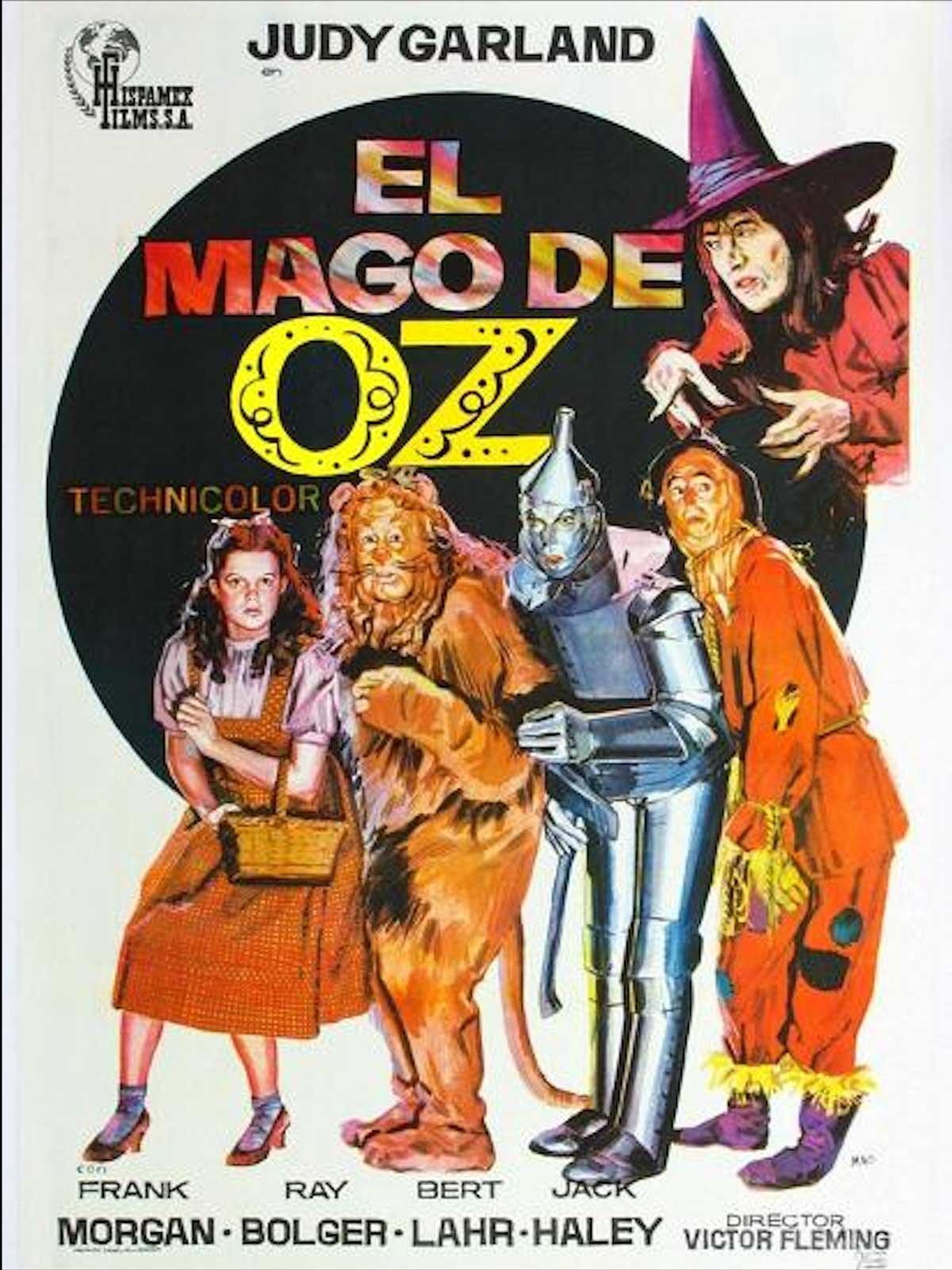
Spanish movie poster for The Wizard of Oz.
A Spanish movie poster for The Wizard of Oz. (Image courtesy of The Oz Museum)
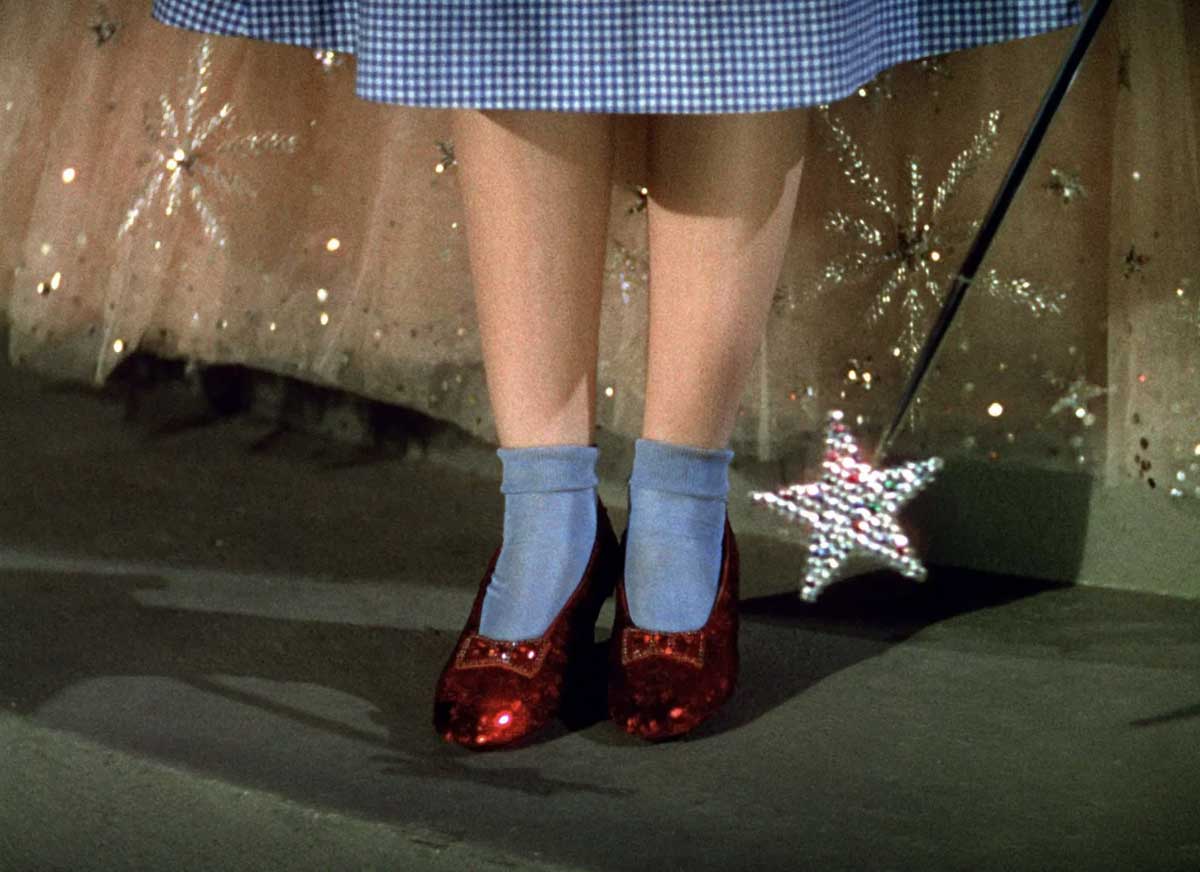
The pair of original ruby slippers
The pair of original ruby slippers housed at The Smithsonian Institute is one of four surviving pairs from the film. Another belongs to The Judy Garland Museum in Minnesota; they were stolen from the museum in 2005 but recovered in 2018. (Image courtesy of The Everett Collection)
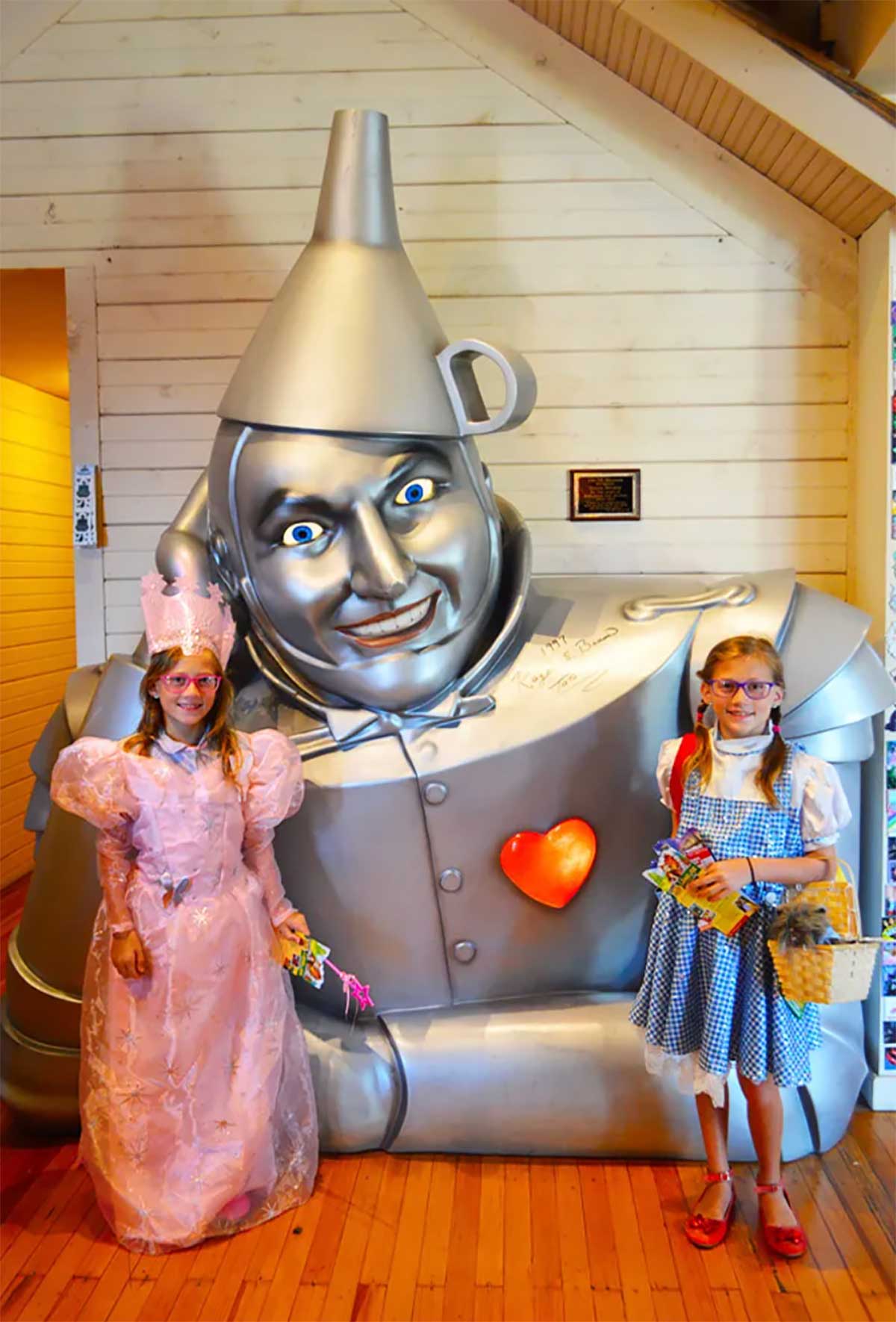
Wizard of Oz Museum in Wamego, KS
The Wizard of Oz Museum in Wamego, KS, welcomes visitors from around the world, both big and Munchkin-sized. (Image courtesy of Once Upon a Wheat)
A shaky opening…
Shooting ended in March 1939; Dorothy’s scene singing “Somewhere Over the Rainbow” was one of the final scenes to be shot. The song would go on to receive the Academy Award for Best Original Song in 1940.
The Wizard of Oz was released nationwide on Aug. 25, 1939. All told, it was MGM’s most expensive movie to date and cost $2.8 million to make. It only earned $3 million throughout its initial release.
“With the average national ticket prices at 25 cents (more than half of its audiences were juvenile patrons who paid a dime or 15 cents), it was not expected to recoup its $3 million in production and promotion costs,” William Stillman, co-author of a book about the making of the film, told The Los Angeles Times in 2013.
Critics gave the film mostly positive reviews, but a few contended that The Wizard of Oz was a trespasser on Disney’s proven field of success in feature-length fantasy movies for children. When it was re-released a decade later (and again in 1955), Judy Garland had become a household name, and the film finally turned a profit.
“The film’s all-American theme of solidarity, preservation of home and vanquishing of evil forces resonated with audiences in patriotic postwar 1949,” Stillman wrote.
When CBS first aired the film in November 1956, it catapulted The Wizard of Oz into the American collective identity. It wasn’t aired again until 1959, after which time screenings of The Wizard of Oz on television became an annual event.
…Before becoming a beloved icon
In the years since, the critical acclaim for The Wizard of Oz has only grown exponentially, giving rise to multiple spinoffs, a merchandising empire, awards, and accolades. According to The Library of Congress, it’s the most-viewed movie of all time, and it was one of the first films placed on the National Film Registry’s inaugural list in 1989.
It appears on countless lists of the top 10 films of all time by critics, and Variety named The Wizard of Oz the best film of all time in 2022, while the website Rotten Tomatoes gives the film a 98% rating. Meanwhile, the small town of Liberal, Kansas, calls itself Dorothy’s official home; in 1981, the town renovated a 1907 farmhouse to resemble a replica of the Gale farmhouse from the original film. The farmhouse is a small museum that welcomes visitors from around the globe each year
(www.dorothyshouse.com). And in another small Kansas town, Wamego, one can find The Oz Museum, which contains relics from all things Oz, from the books to the 1939 film to more contemporary adaptations (www.ozmuseum.com).
Oz historian John Fricke, in an interview for the film’s 80th anniversary in 2019, recalled seeing Ray Bolger on TV years after the film dazzled audiences in movie theaters.
“(Bolger) spoke of growing up with the Oz books, and the great philosophy that they expressed,” Fricke said. “His mother had pointed out to him the message of The Wizard of Oz: ‘Everybody has a brain, everybody has a heart, and everybody has courage. These are the gifts that God gives people on earth, and if you use them properly, they lead you home. And home isn’t a place. It’s the people you love and the people who love you. That’s a home.’”
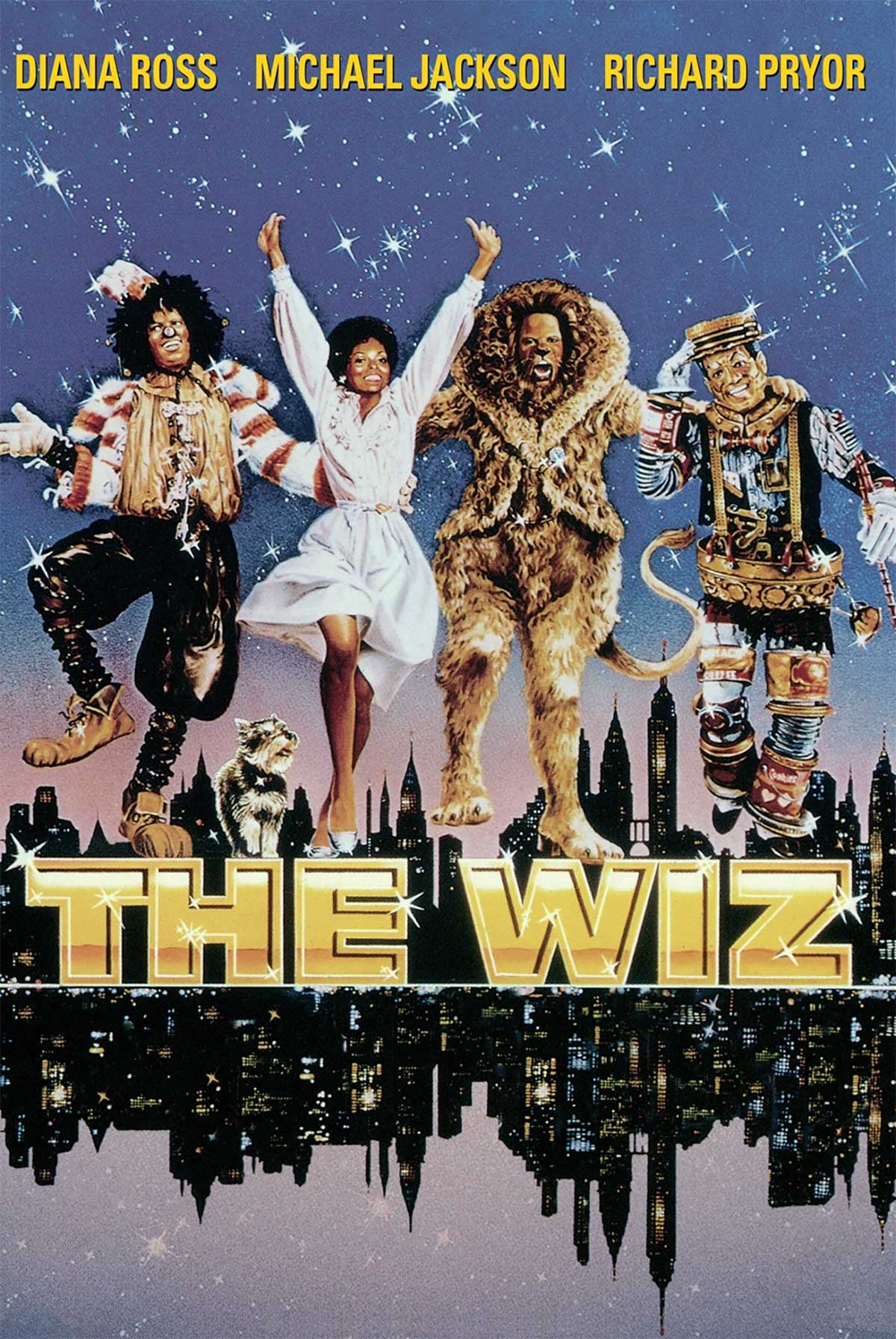
The Wiz
Ease on down the road: The Wiz, an adaptation geared toward African-American audiences, was released in 1978. The film starred Diana Ross as Dorothy and a young Michael Jackson as The Scarecrow. (Image courtesy of IMDB)
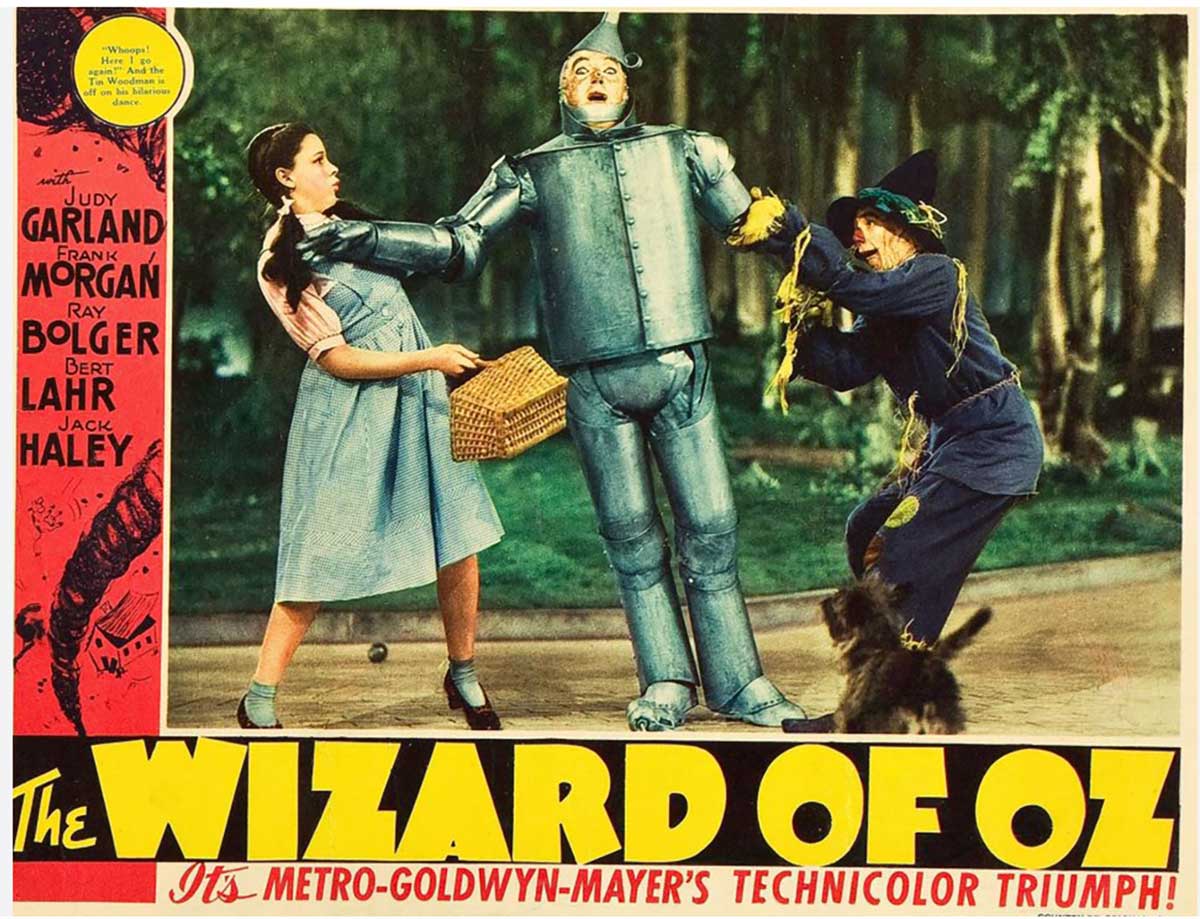
vintage lobby card advertising The Wizard of Oz
A vintage lobby card advertising The Wizard of Oz. (Image courtesy of Pinterest)
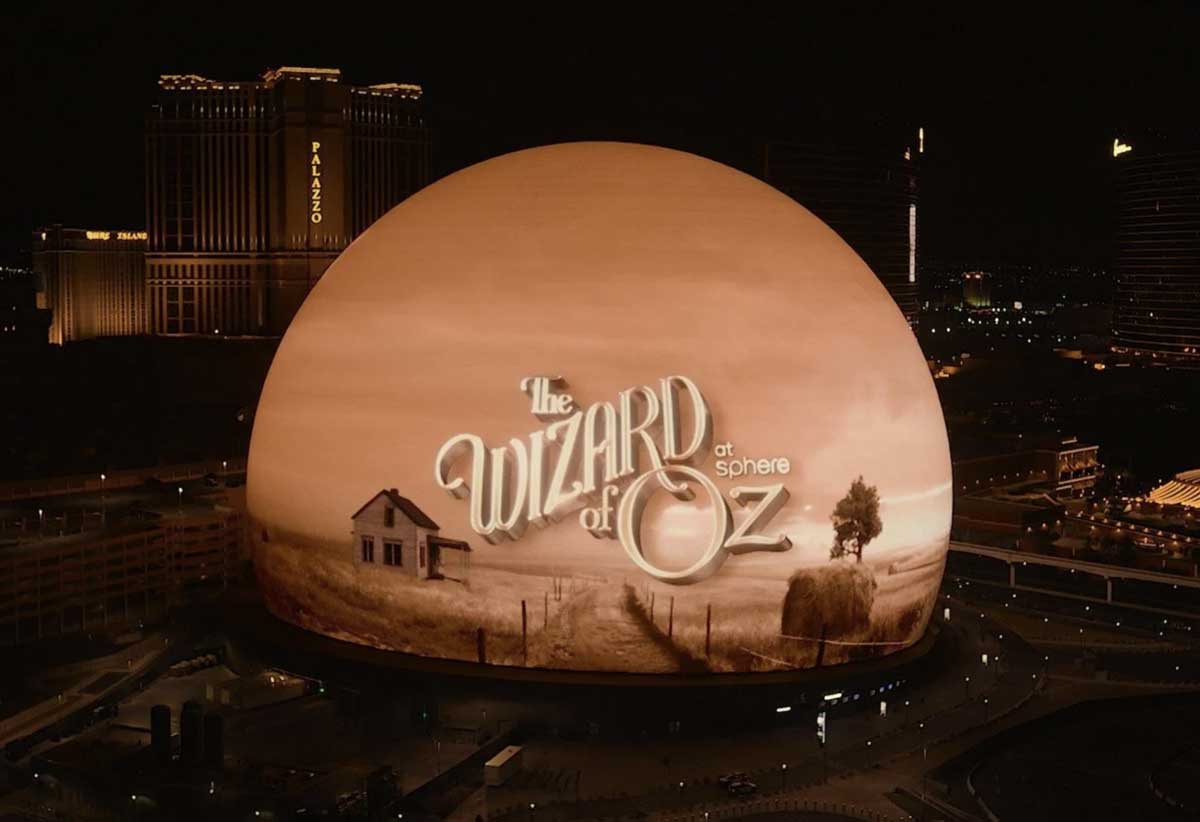
The Wizard of Oz, The Sphere
Touted as the ultimate experience for viewing The Wizard of Oz, The Sphere in Las Vegas, Nevada will continue showing the film until the end of this year. (Image coutesy of casino.org)